
What is Transforaminal Endoscopic Spine Surgery
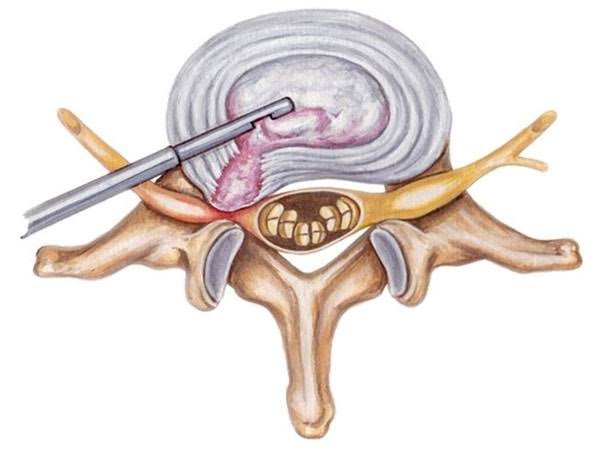
Transforaminal Endoscopic Spine Surgery (TESS), also known as TELD, is a modern minimally invasive technique designed to remove herniated disc fragments and relieve nerve compression through a small incision made at the side of the spine.
This approach reaches the disc through the natural foraminal window, avoiding muscle cutting, bone removal, or significant tissue damage.
It is one of the most effective techniques for treating disc herniation in the lumbar spine, allowing faster recovery, minimal postoperative pain, and same-day discharge.
Types of Transforaminal Endoscopic Procedures
🔹 Transforaminal Endoscopic Discectomy (TELD)
Removal of herniated disc material through the foraminal window using an endoscope.
Ideal for lateral, foraminal, extraforaminal, and migrated disc herniations.
🔹 Transforaminal Endoscopic Foraminoplasty
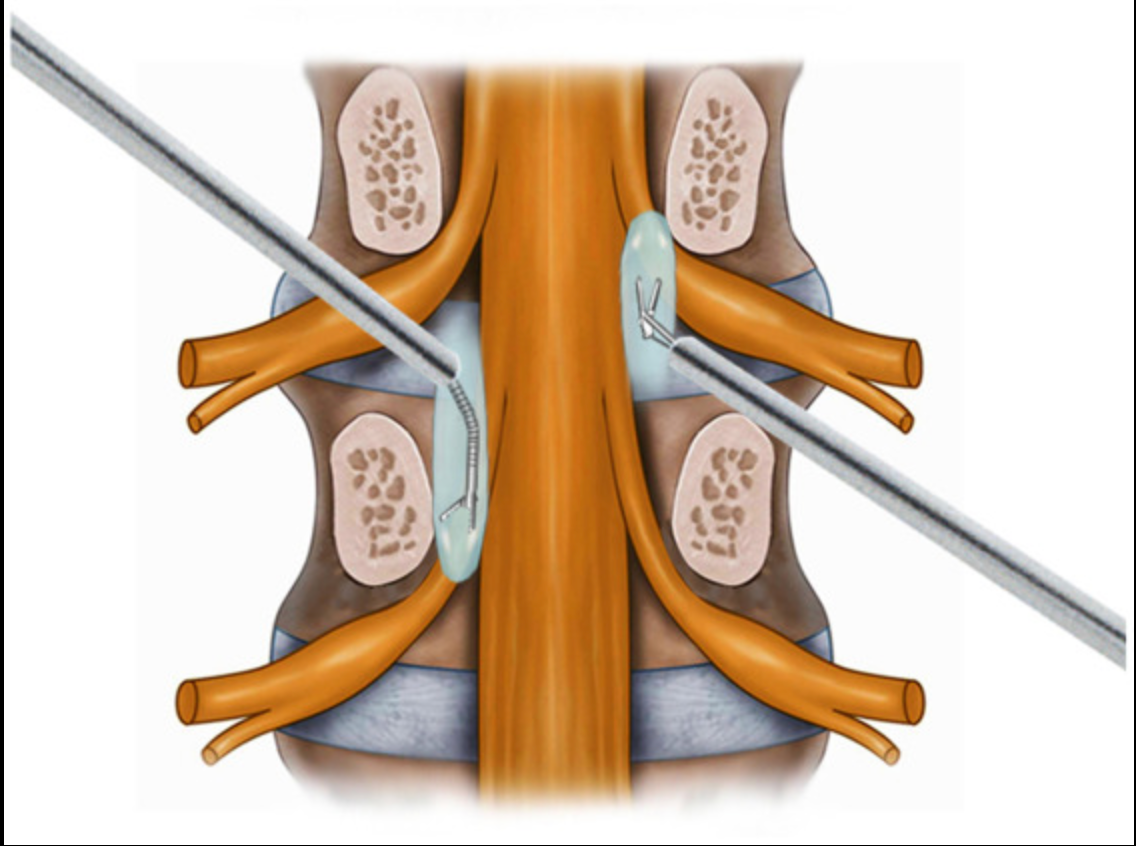
Enlargement of a narrow foramen (nerve exit zone) by removing small bone spurs or disc material.
Helps treat foraminal stenosis and nerve entrapment.
🔹 Transforaminal Endoscopic Decompression
Relieves nerve compression caused by:
facet joint overgrowth
annular tears
foraminal stenosis
lateral recess narrowing
Indications for Transforaminal Endoscopic Spine Surgery
✔ Lumbar Disc Herniation
Lateral, foraminal, extraforaminal
Central or paracentral with foraminal extension
With leg pain, numbness, tingling, or weakness
✔ Foraminal and Extraforaminal Stenosis
Narrowing of the nerve exit canal
Common in elderly patients or after prior surgery
✔ Radiculopathy Refractory to Conservative Therapy
Leg pain not responding to physiotherapy, medications, or injections
✔ Recurrent Disc Herniation
After previous spine surgery (microdiscectomy or laminectomy)
✔ Patients Seeking Quick Recovery
Professionals & athletes needing minimal downtime
What to Expect Before Surgery

- Detailed consultation, neurological exam, and MRI review
- Confirmation of the pain generator (disc vs stenosis)
- Blood tests + anesthesia clearance
- Instructions regarding fasting and medication adjustments
- Stopping certain medications (e.g., blood thinners) if advised
- Explanation of the procedure, benefits, risks, and recovery expectations
Our team ensures you are confident and fully prepared before the surgery
How the Surgery Works
- Performed under local anesthesia with conscious sedation
- Patient lies on one side or prone
- A small needle is inserted into the disc via Kambin’s Triangle
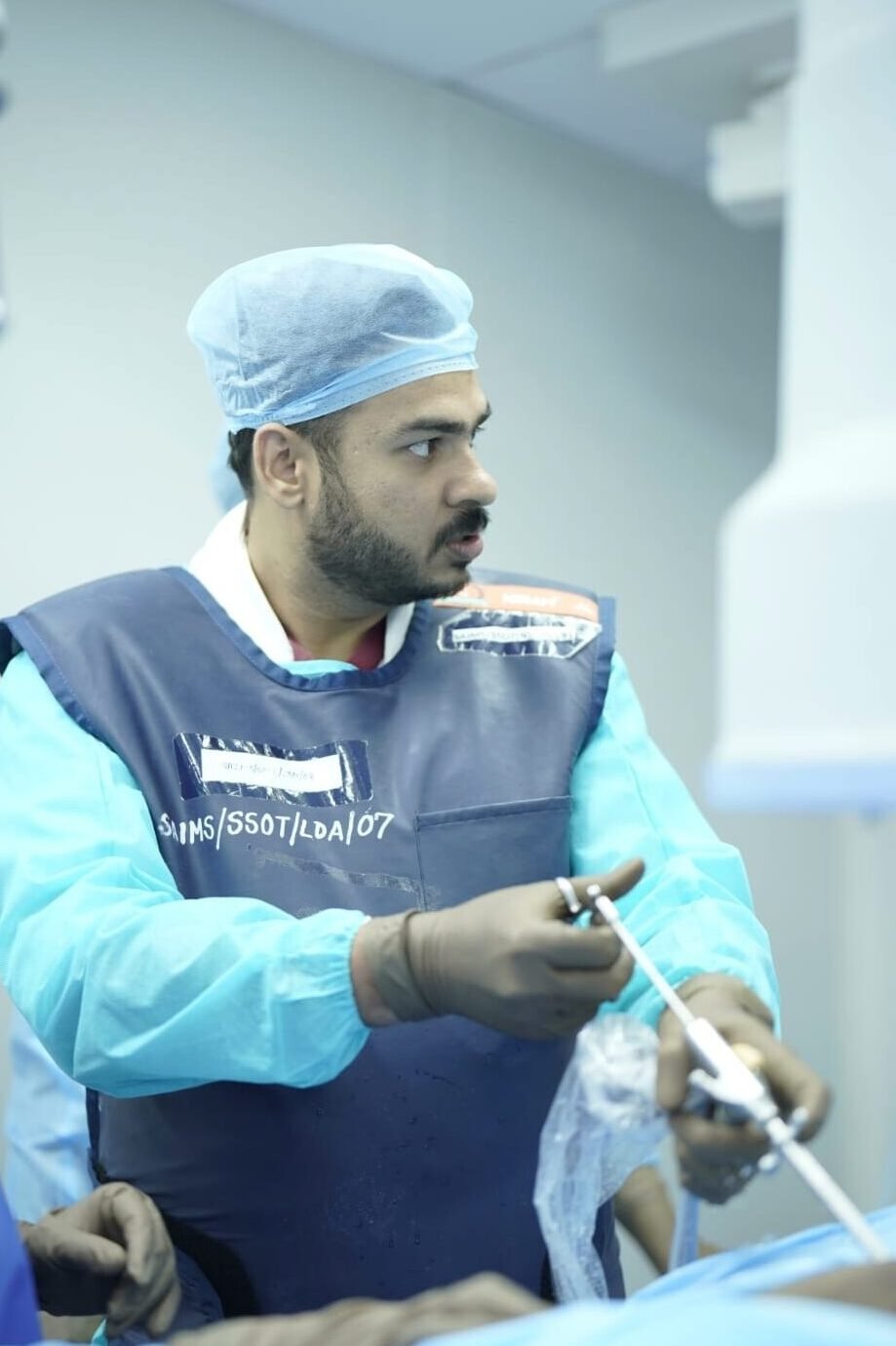
- The endoscope is introduced, and disc material or compressive tissue is removed
- Continuous irrigation maintains clear visibility
- Skin closed with one stitch or steri-strip
- Procedure duration: 30–45 minutes
Recovery & Expectations
Patients typically experience significant relief in leg pain immediately after surgery.

- Walking within 1–2 hours
- Mild discomfort for 1–2 days
- Return to desk work within 2–5 days
- Avoid heavy lifting for 4 weeks
- Follow-up by 1 week & 1 month