Understanding Disc-Related Back and Leg Pain
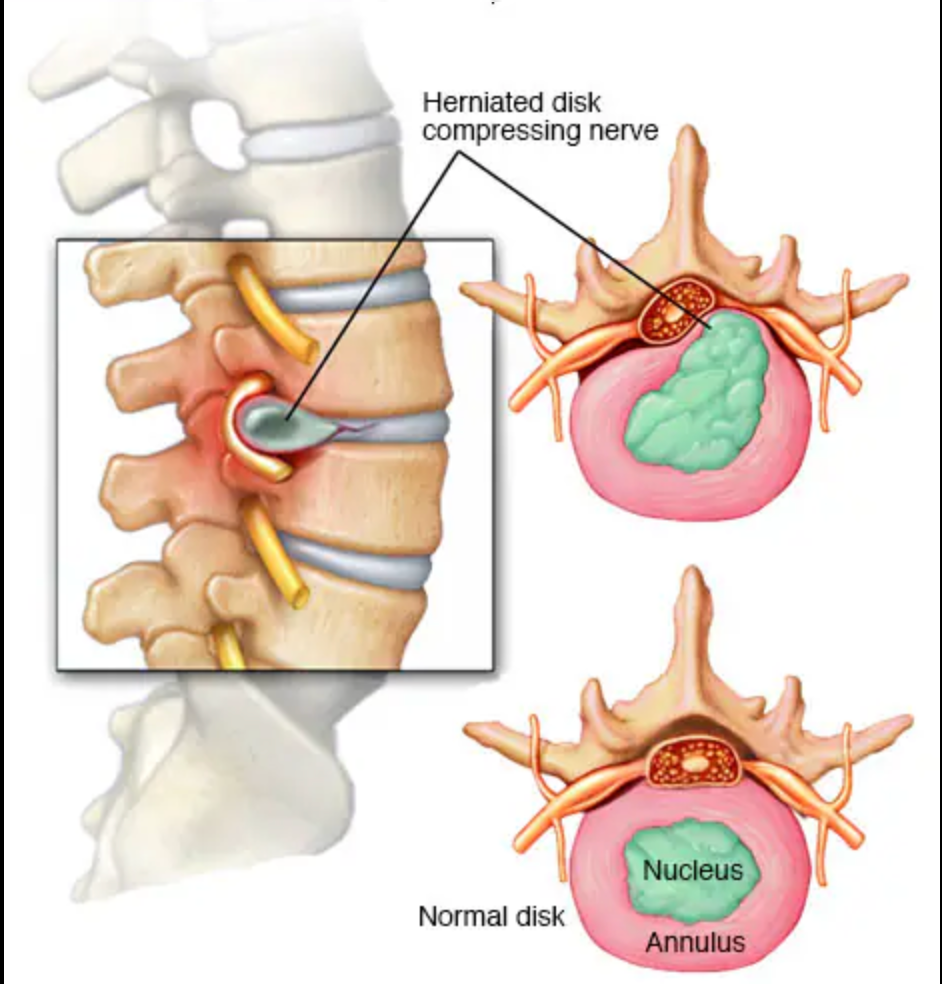
A slipped disc—medically known as a disc herniation or prolapsed intervertebral disc—occurs when the soft inner portion of a spinal disc bulges or leaks out through its outer covering. This can irritate or compress nearby nerves, leading to back pain, leg pain, numbness, or weakness.
At Niramaya Spine Care, we focus on identifying the true pain generator and offering step-wise, evidence-based treatment—starting with conservative care and progressing only when necessary.
The intervertebral disc is a soft, cushion-like structure located between the bones of the spine (vertebrae). Discs act as shock absorbers, allow spinal flexibility, and help distribute load during movement.
Each disc is made up of three key components, each with a specific function.
1️⃣ Annulus Fibrosus (Outer Ring)
- Tough, fibrous outer layer of the disc
- Made of concentric collagen fibers arranged in layers
- Provides strength and stability to the spine
- Prevents excessive movement between vertebrae
➡ Damage or tears in the annulus can allow disc material to bulge or herniate.
2️⃣ Nucleus Pulposus (Inner Core)
- Soft, gel-like central portion of the disc
- Rich in water content
- Acts as a shock absorber during standing, walking, and lifting
- Distributes pressure evenly across the disc
➡ When this gel protrudes through a weakened annulus, it results in a slipped (herniated) disc.
3️⃣ Cartilaginous End Plates
- Thin layers of cartilage between the disc and vertebral bone
- Help anchor the disc in place
- Allow nutrient exchange to the disc (discs have limited blood supply)
➡ Degeneration of end plates can reduce disc nutrition and accelerate disc degeneration.
Relationship to Spinal Nerves
- Spinal nerves exit the spinal canal just behind the disc
- A bulging or herniated disc can compress or irritate these nerves
- This causes radiating pain, numbness, tingling, or weakness in arms or legs
Why Discs Degenerate Over Time
- Natural aging and reduced water content
- Repetitive mechanical stress
- Poor posture and weak core muscles
- Smoking and metabolic factors
Degenerated discs become less flexible and more prone to herniation.
What Causes a Slipped Disc?
- Age-related disc degeneration
- Improper lifting or sudden twisting movements
- Prolonged poor posture or sedentary lifestyle
- Repetitive strain or heavy physical work
- Trauma or injury to the spine
Key Takeaway
A slipped disc is not merely a “bone problem” — it is a disc-related structural and biomechanical issue.
Understanding disc anatomy helps in selecting the right, least invasive treatment.
At Niramaya Spine Care, treatment decisions are based on disc anatomy, nerve involvement, and functional impact, not imaging alone.
Symptoms vary depending on the level and severity of nerve compression.

- Low back pain or neck pain
- Radiating leg pain (sciatica) or arm pain
- Tingling or numbness in limbs
- Muscle weakness
- Pain aggravated by bending, coughing, or sitting
How Is a Slipped Disc Diagnosed?
Accurate diagnosis is essential to avoid unnecessary procedures.
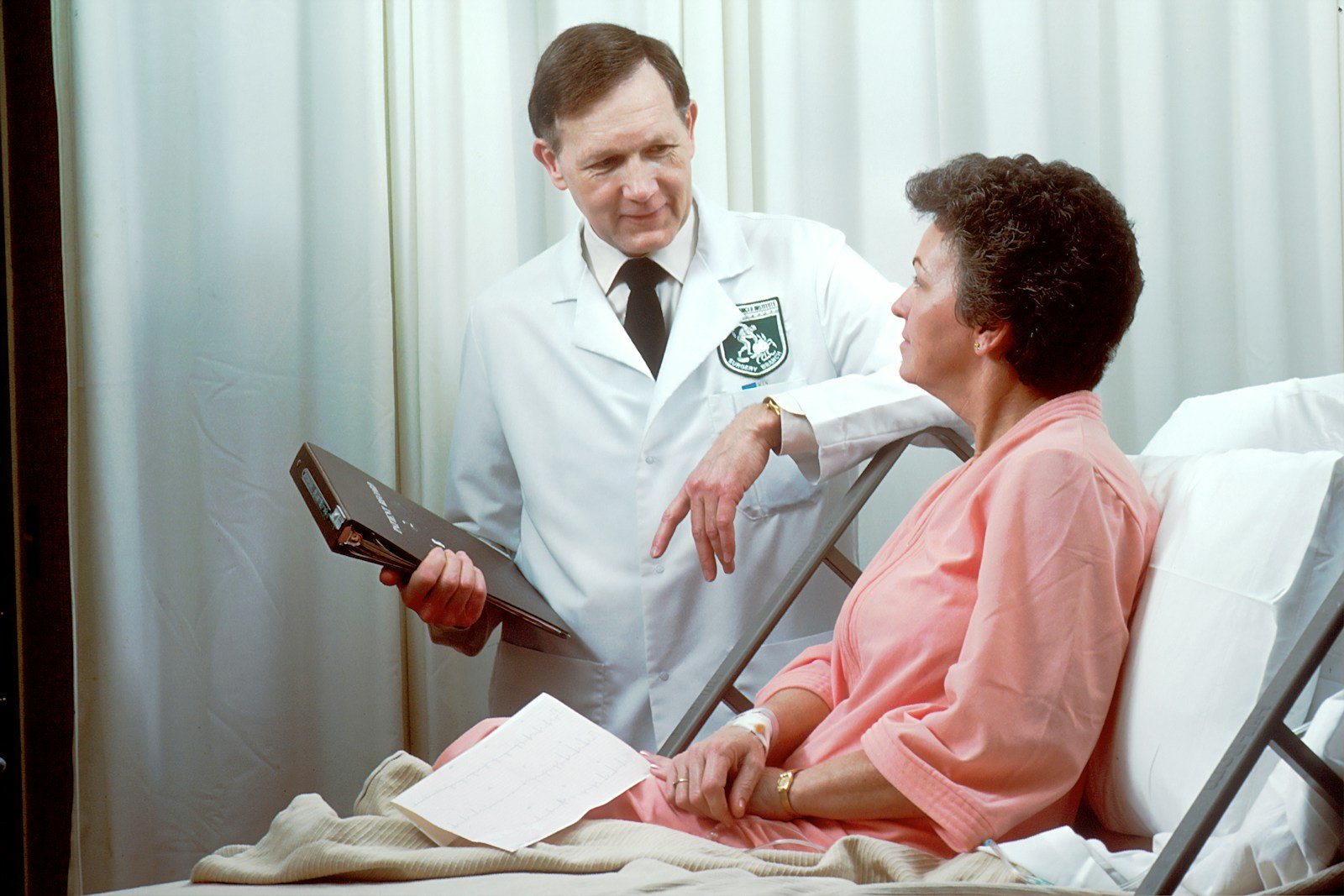
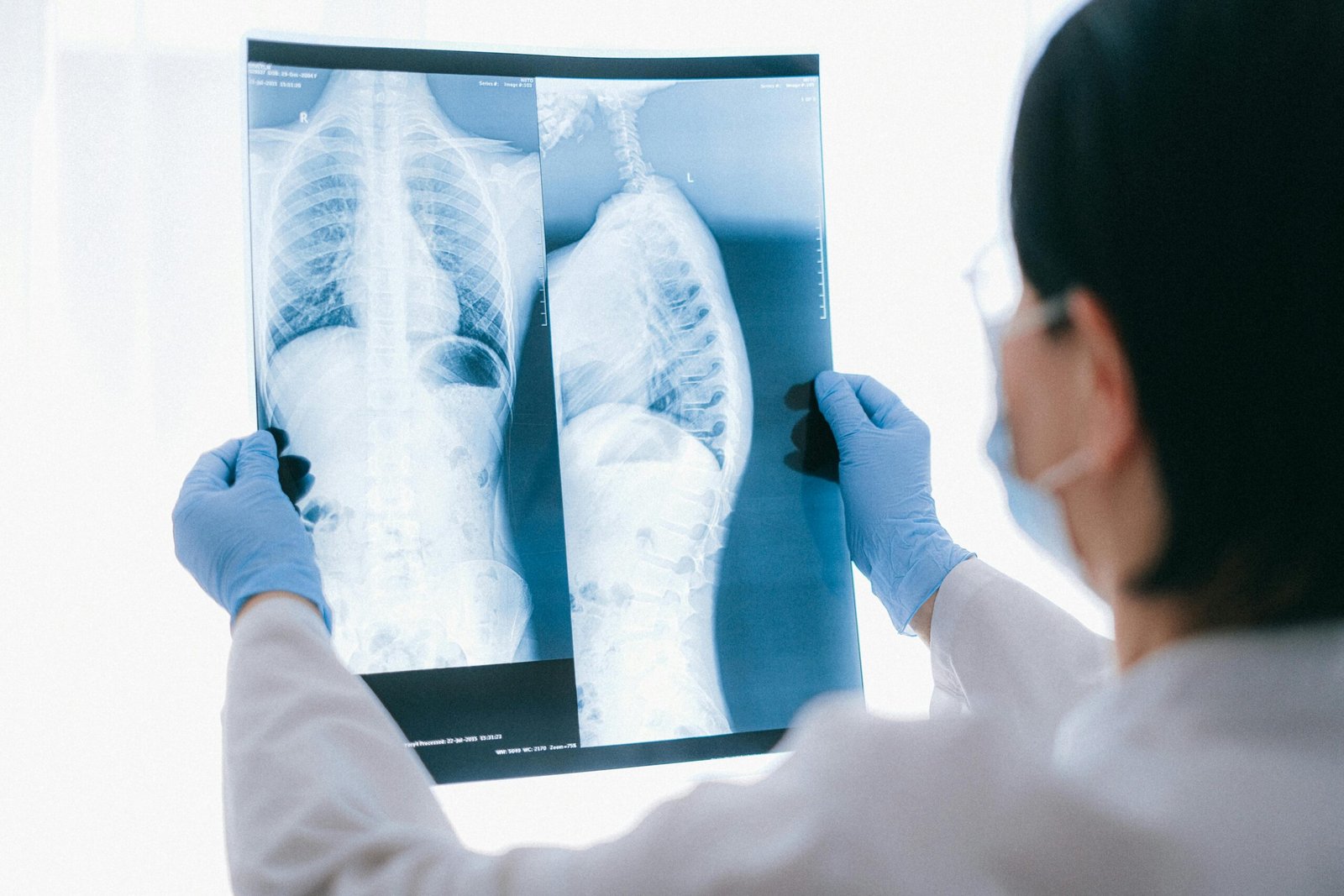
- Detailed clinical evaluation
- Neurological examination
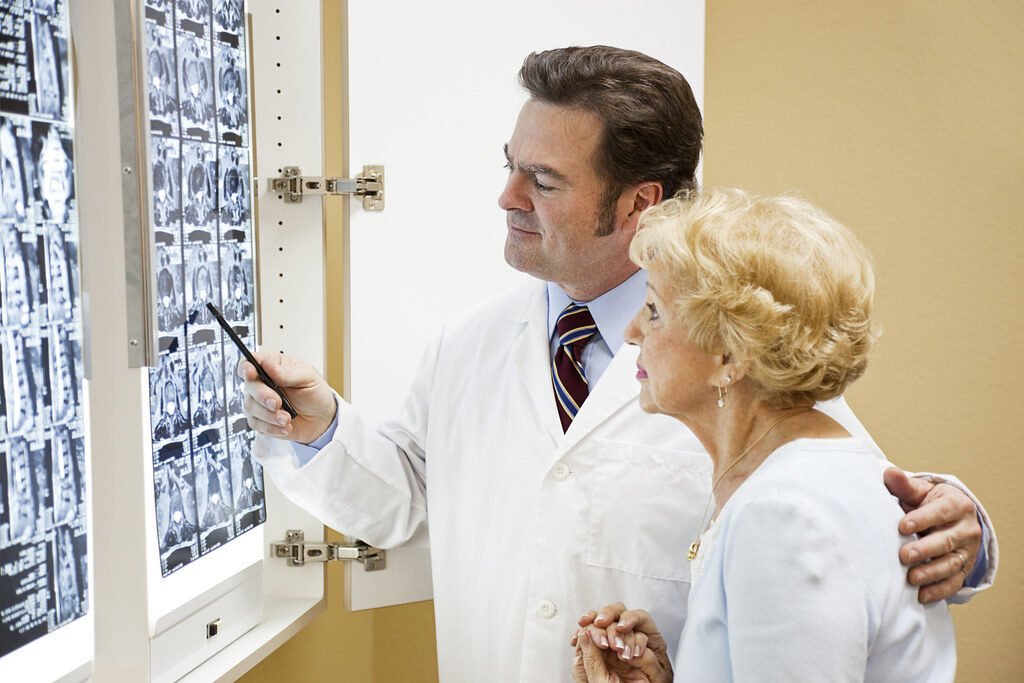
- MRI scan (gold standard)
- Correlation of imaging with symptoms (pain-generator approach)
Treatment Options at Niramaya Spine Care
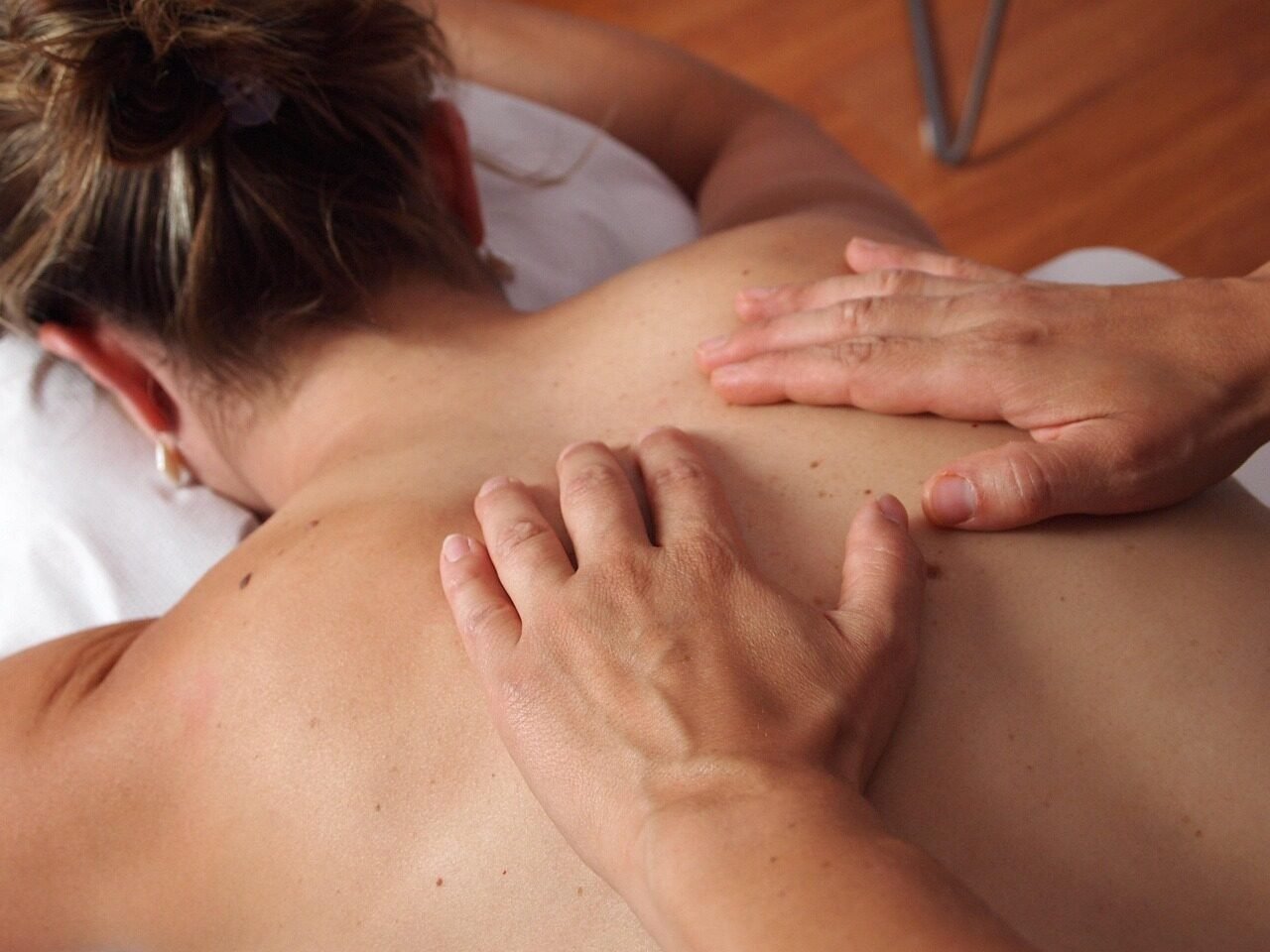
1️⃣ Conservative Spine Care (First Line)
- Activity modification & posture correction
- Physiotherapy and core strengthening
- Pain-relieving medications
- Lifestyle and ergonomic guidance
2️⃣ Interventional Pain Management
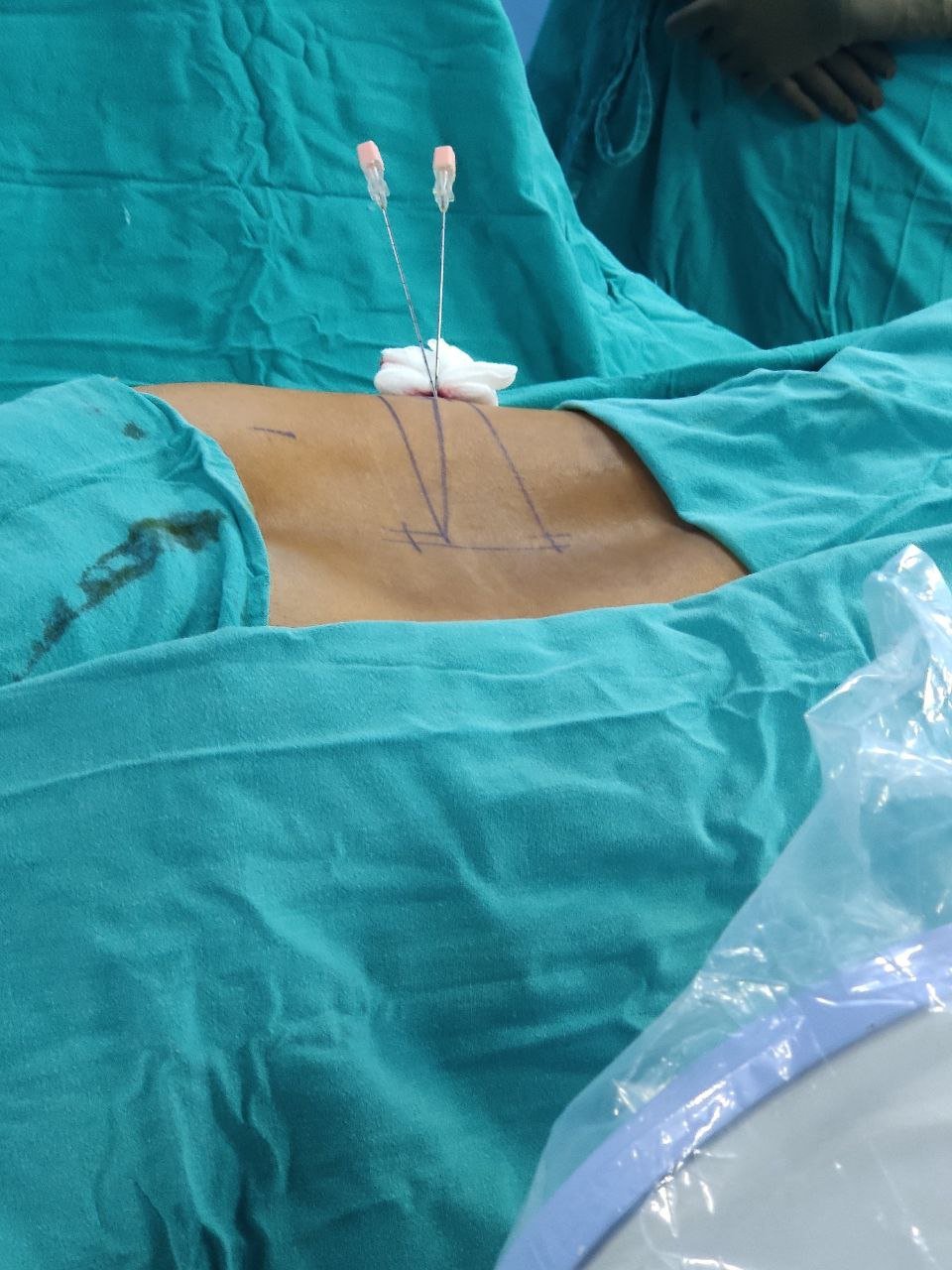
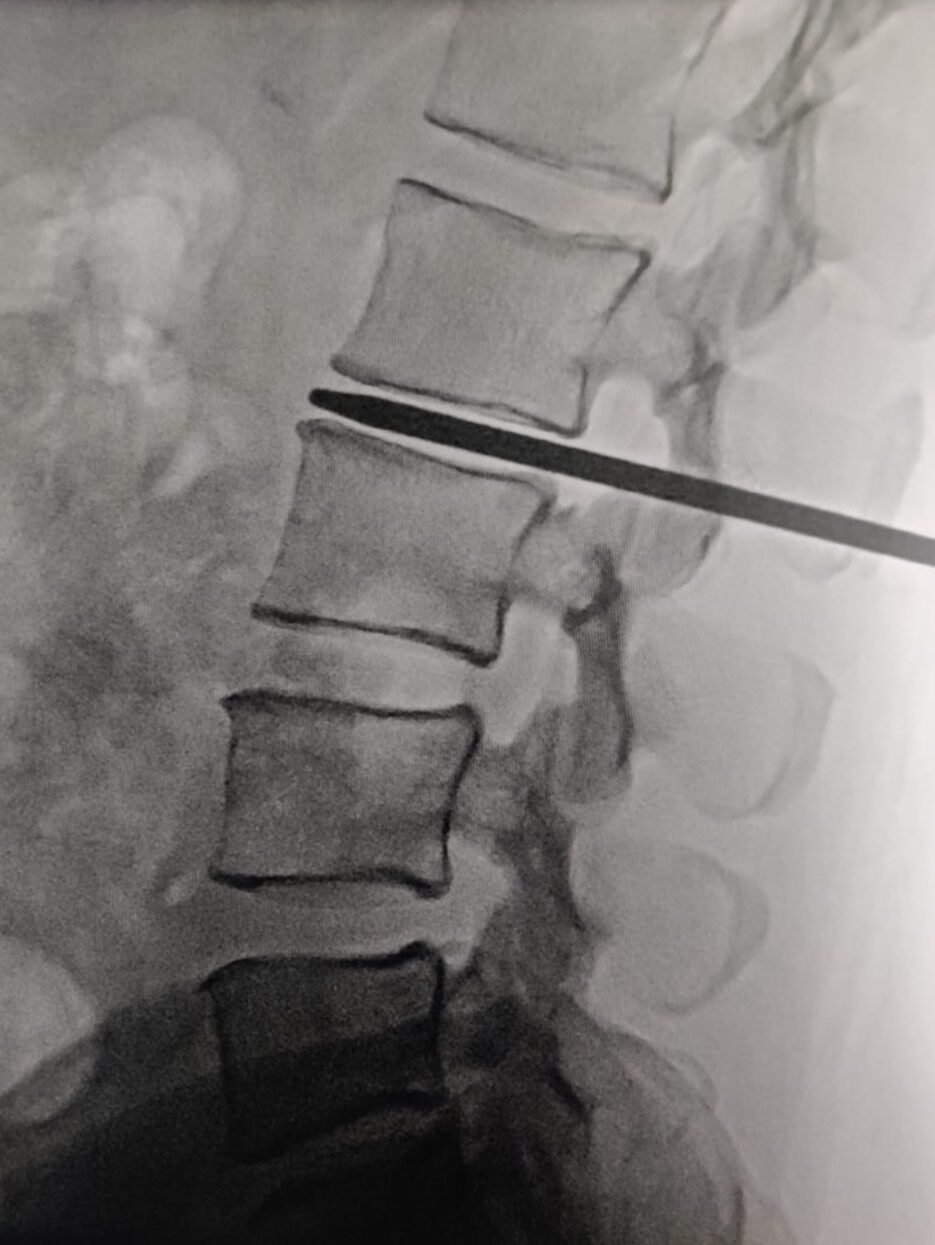
For persistent pain not responding to conservative care:
- Epidural steroid injections
- Selective nerve root blocks
- Targeted image-guided procedures
These treatments reduce inflammation and allow natural healing.
3️⃣ Endoscopic Spine Surgery (When Indicated)
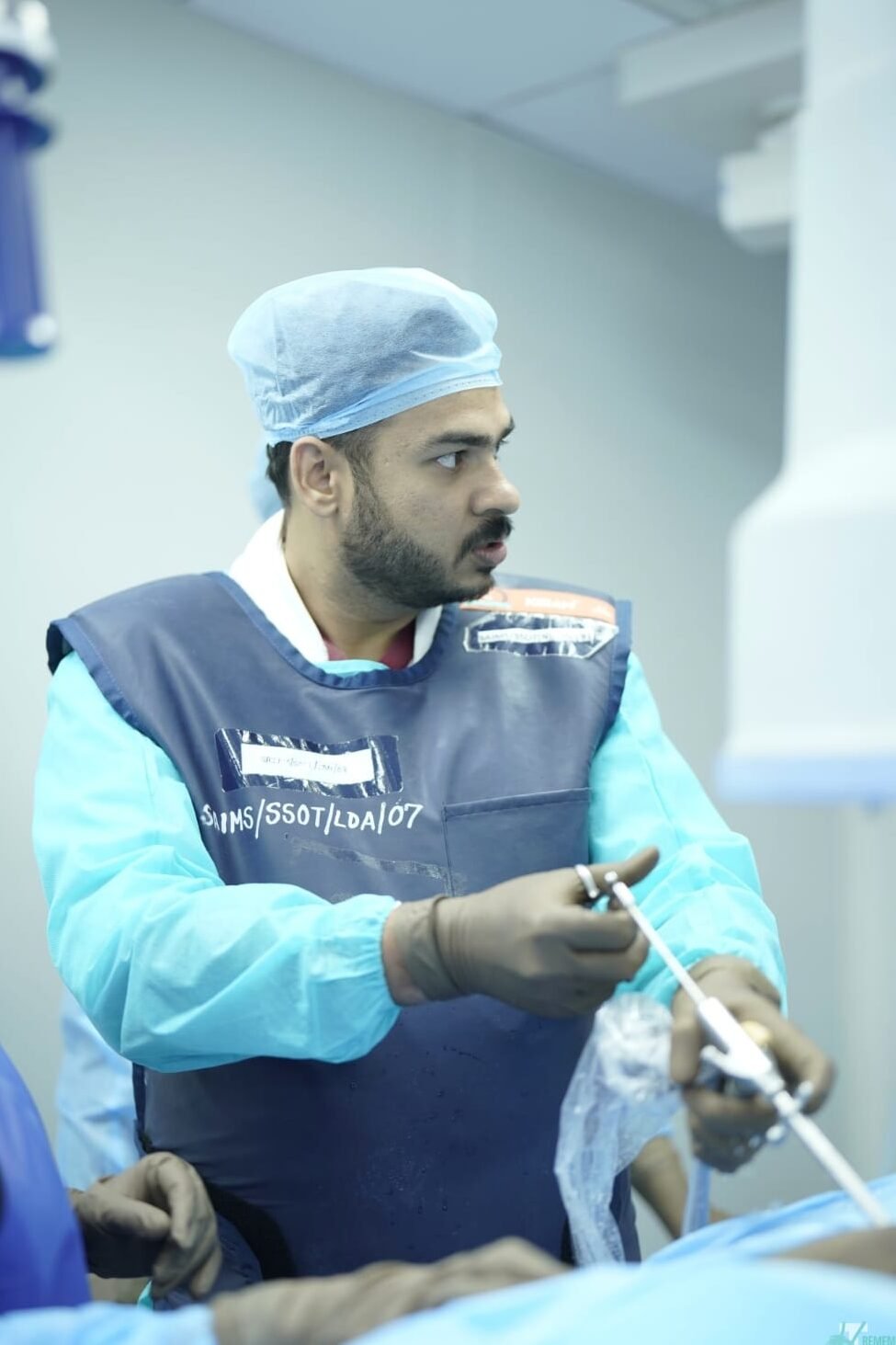
Minimally invasive solutions for selected cases:
- Interlaminar Endoscopic Discectomy – for central or paracentral herniations
- Transforaminal Endoscopic Discectomy – for foraminal or lateral disc prolapse
4️⃣ Open or MIS Spine Surgery
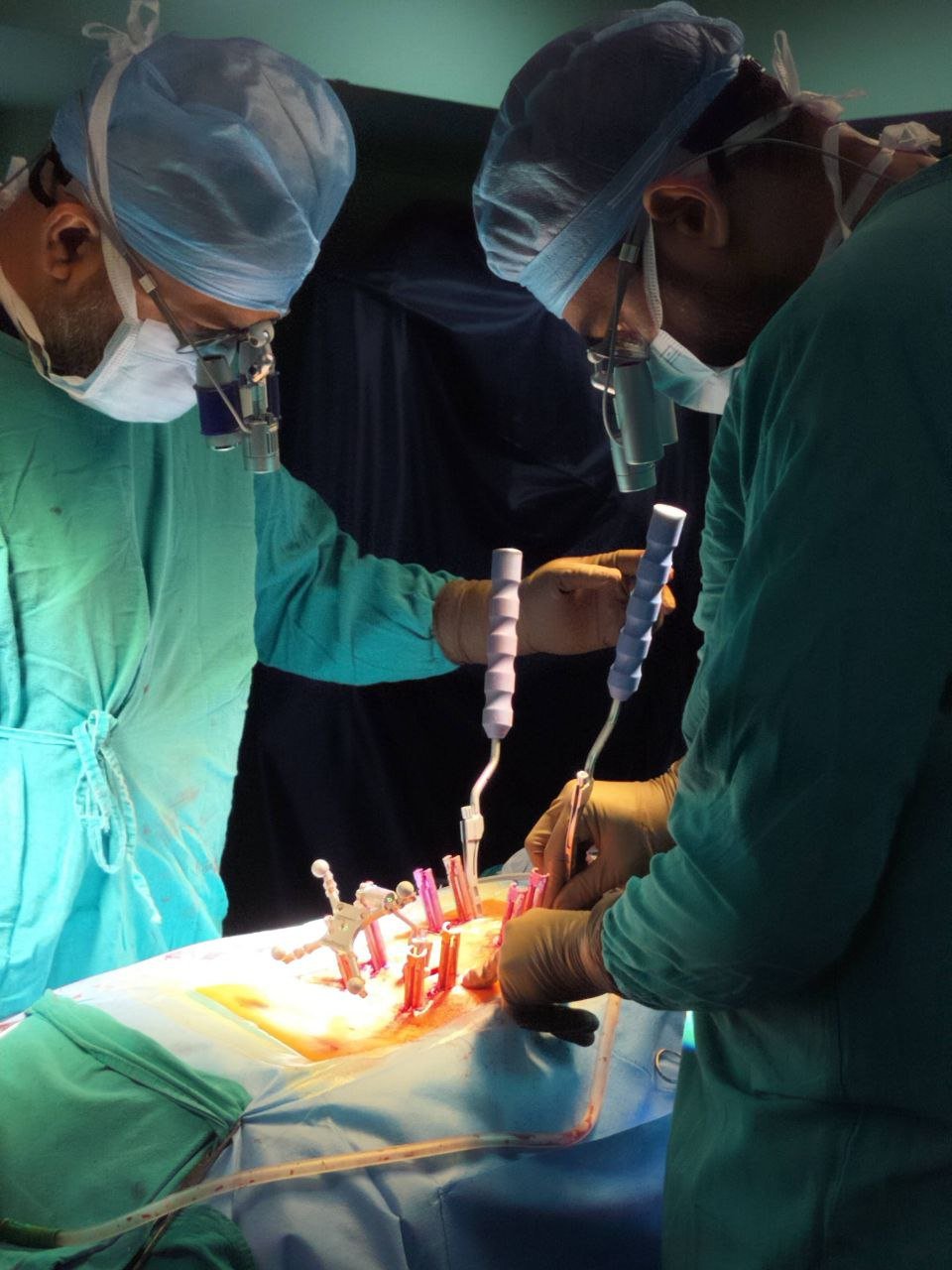
Reserved for:
- Progressive neurological deficit
- Severe weakness
- Large or complex disc herniations
- Failure of less invasive treatments
Our Treatment Philosophy
- Identify the exact pain source
- Start with the least invasive option
- Avoid unnecessary surgery
- Restore function and quality of life
- Practice ethical, evidence-based spine care
When Should You See a Spine Specialist?
- Pain lasting more than 4–6 weeks
- Increasing leg or arm pain
- Numbness or weakness
- Difficulty walking or daily activities
- Loss of bowel or bladder control (emergency)
Take the Next Step
Early and accurate management can prevent long-term disability.
Consult our spine specialist to understand your condition and explore the right treatment—tailored specifically for you.