A Common Cause of Back and Leg Pain in Adults- Lumbar Canal Stenosis
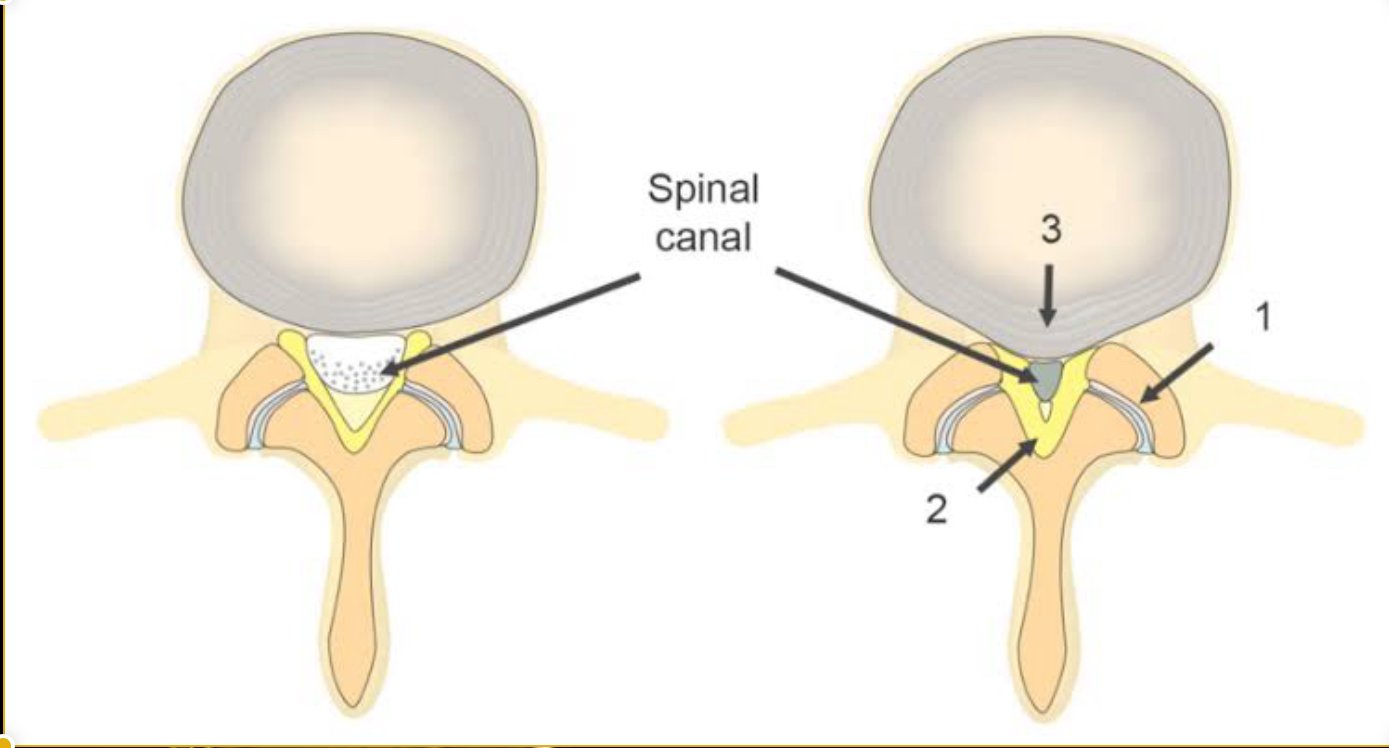
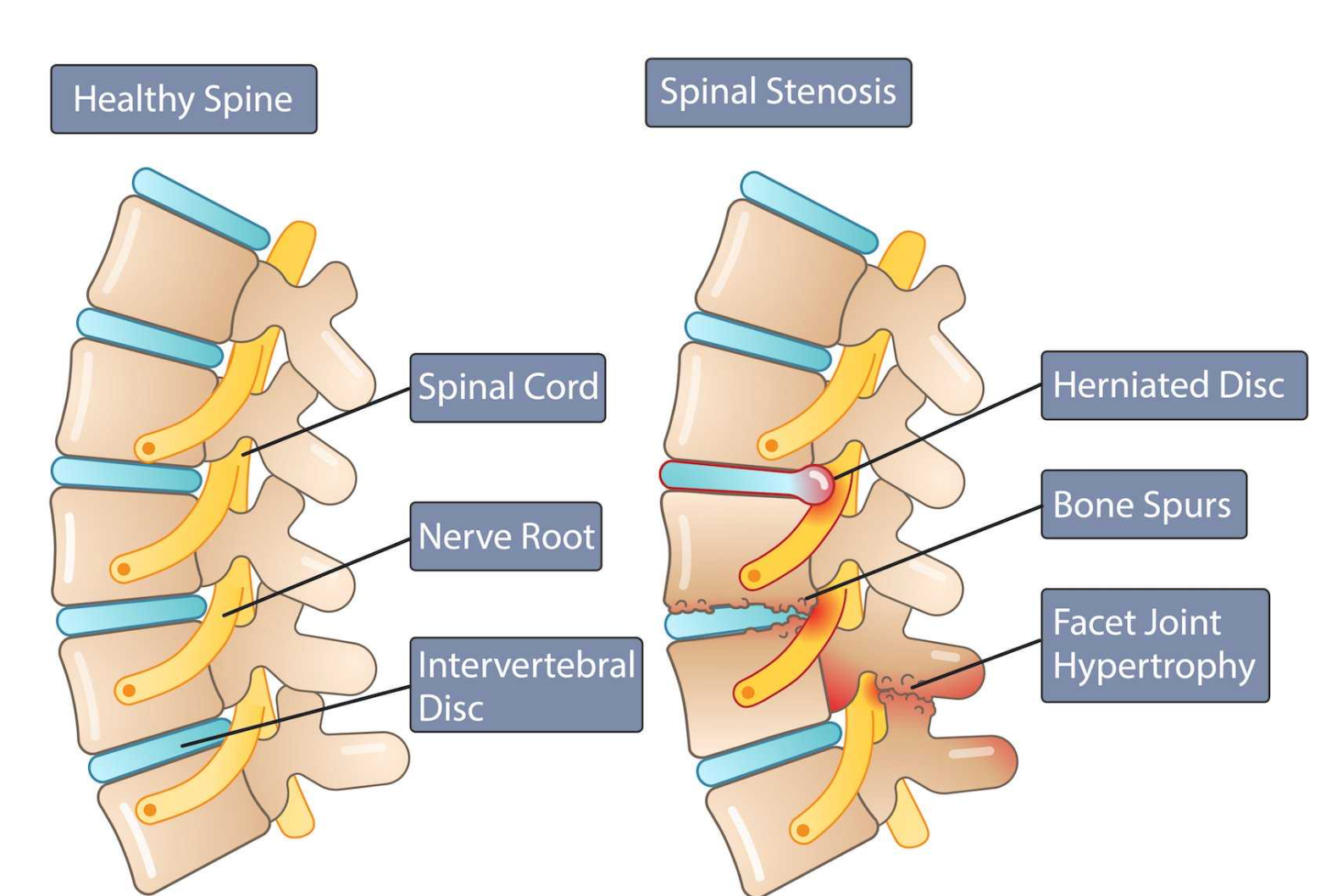
Lumbar canal stenosis is a condition in which the spinal canal in the lower back becomes narrowed, leading to compression of the spinal nerves. It most commonly develops due to age-related degenerative changes in the spine and is a frequent cause of back pain, leg pain, and difficulty walking in middle-aged and elderly individuals.
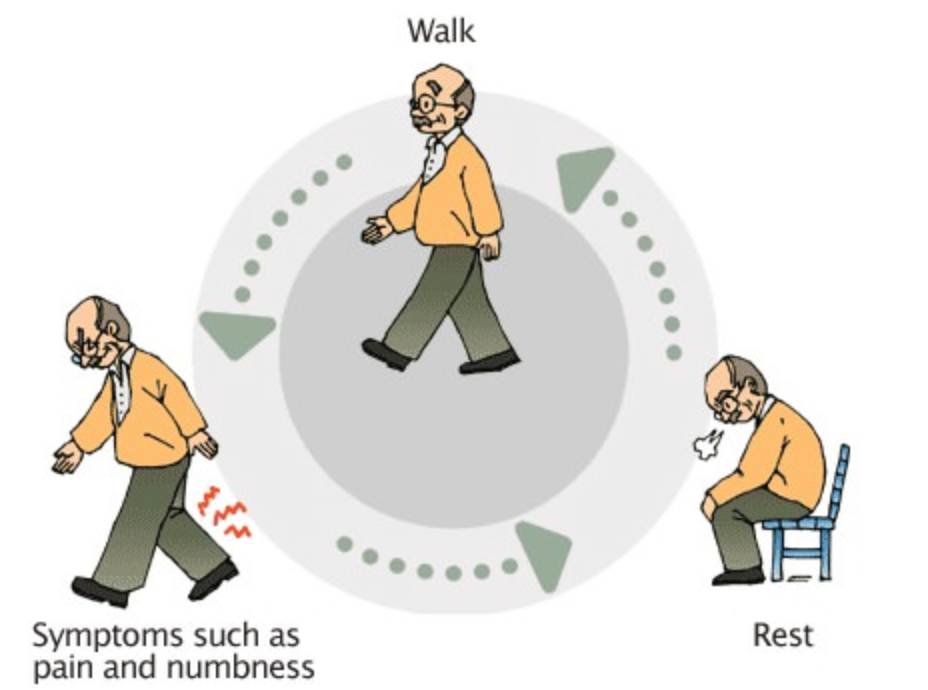
Unlike simple back pain, lumbar canal stenosis often causes leg symptoms that worsen with standing or walking and improve with sitting or bending forward. Early diagnosis and appropriate management are important to maintain mobility and quality of life.
What Causes Lumbar Canal Stenosis?
Lumbar canal narrowing usually occurs gradually and may result from one or more of the following:
- Degenerative disc bulge or disc height loss
- Thickening of spinal ligaments (ligamentum flavum hypertrophy)
- Facet joint arthritis and bone spur formation
- Degenerative spondylolisthesis
- Congenitally narrow spinal canal
- Post-surgical or post-traumatic changes
Common Symptoms
Symptoms vary depending on the severity and number of levels involved.
- Low back pain or stiffness
- Leg pain, heaviness, or numbness while walking
- Tingling or weakness in the legs
- Neurogenic claudication (leg pain after walking a certain distance)
- Relief of symptoms on sitting or bending forward
- In advanced cases, bladder or bowel disturbances, Muscle Weakness
How Is Lumbar Canal Stenosis Diagnosed?
Accurate diagnosis requires correlation of symptoms with imaging findings.
- Clinical examination: Assessment of gait, reflexes, strength, and posture
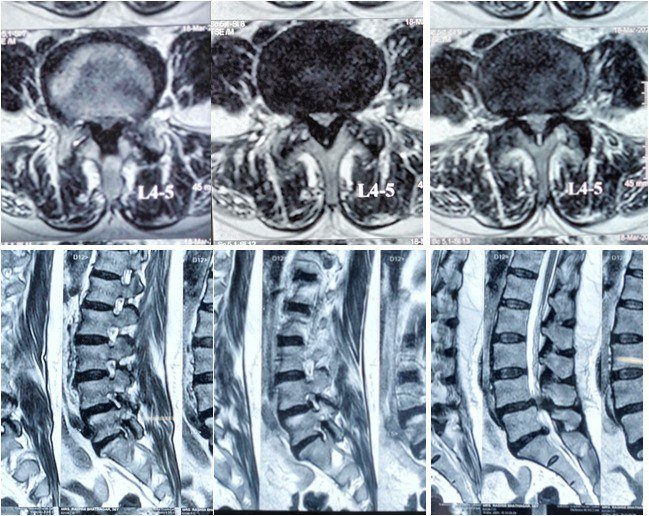
- MRI lumbar spine: Gold standard to visualize canal narrowing and nerve compression
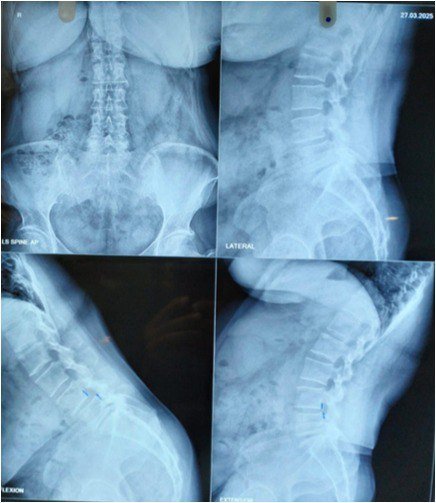
- X-rays: To assess alignment and instability
- CT scan: Helpful in evaluating bony stenosis in selected cases
Treatment Options at Niramaya Spine Care
1️⃣ Conservative Spine Care
Many patients with mild to moderate stenosis improve without surgery.
- Activity modification and posture correction
- Physiotherapy focusing on flexion-based exercises
- Pain-relieving medications (used judiciously)
- Lifestyle and ergonomic advice
2️⃣ Interventional Pain Management
For persistent symptoms despite conservative care:
- Epidural steroid injections
- Selective nerve root blocks
- Facet or ligament-targeted injections
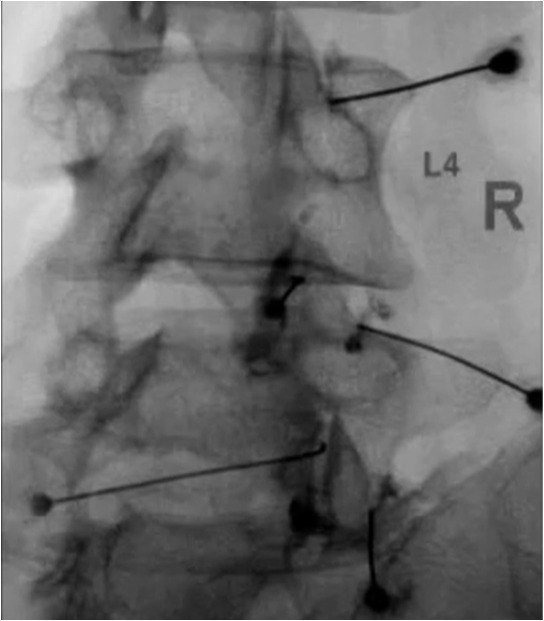
These treatments help reduce inflammation and improve walking tolerance.
3️⃣ Endoscopic & Minimally Invasive Spine Surgery
For patients with significant symptoms affecting daily life:
- Interlaminar Endoscopic Decompression
- LE-ULBD (Lumbar Endoscopic Unilateral Laminotomy for Bilateral Decompression)
- Minimally invasive decompression techniques
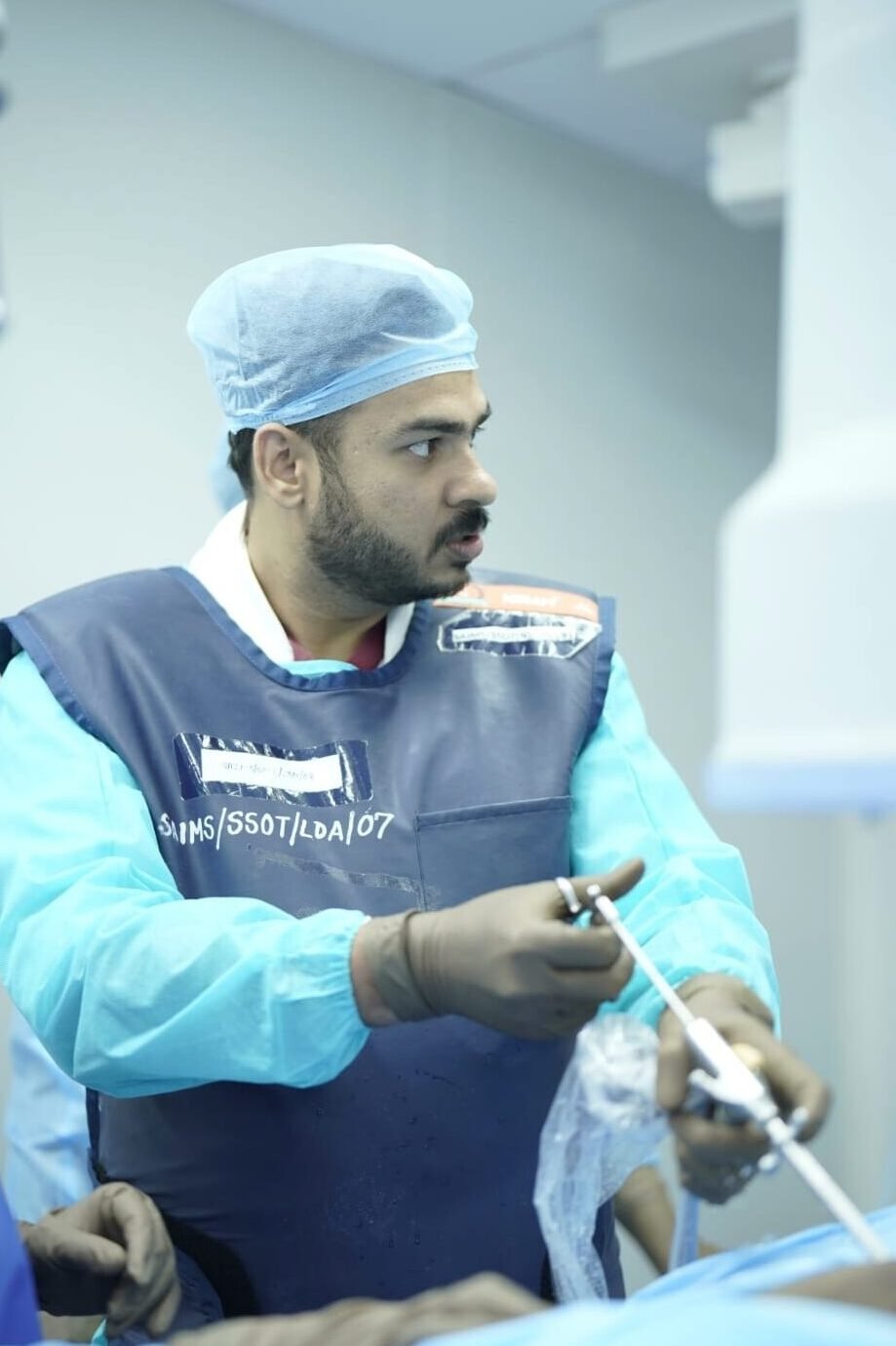
These procedures relieve nerve compression while preserving spinal stability and allowing faster recovery.
4️⃣ Open Spine Surgery
Reserved for:
- Severe multi-level stenosis
- Associated spinal instability or deformity
- Failure of less invasive treatments
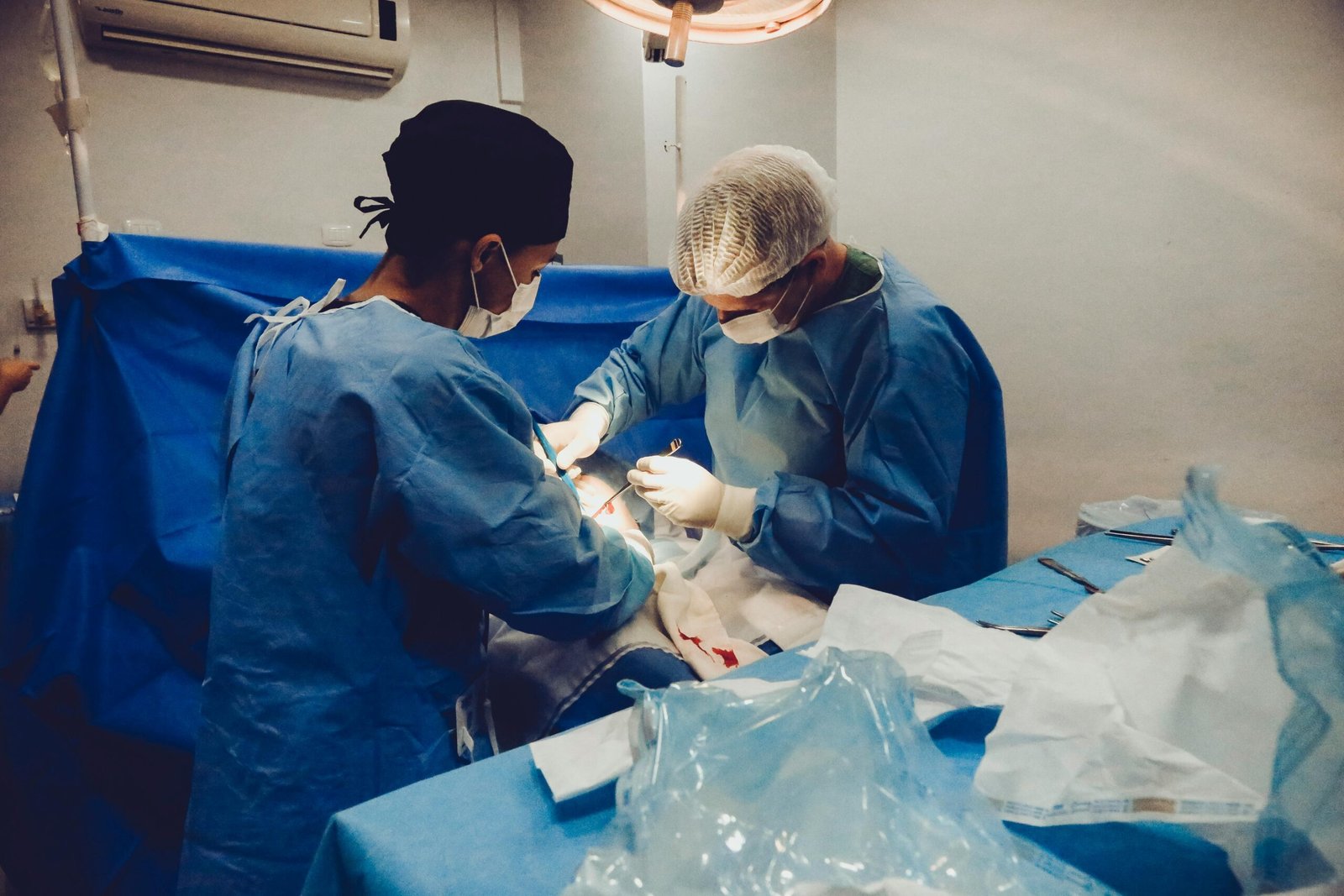
Procedures may include laminectomy with or without fusion.
🔹 When to Seek Specialist Care
- Leg pain limiting walking distance
- Progressive weakness or numbness
- Loss of balance or frequent falls
- Bladder or bowel symptoms
Expert Care at Niramaya Spine Care
At Niramaya Spine Care, lumbar canal stenosis is managed with a step-wise, evidence-based approach, focusing on identifying the true pain generator and offering the least invasive effective treatment for each patient.