MIS TLIF – Minimally Invasive Lumbar Spine Fusion Surgery
Advanced Stabilization with Minimal Tissue Damage
What is MIS TLIF?
MIS TLIF (Minimally Invasive Transforaminal Lumbar Interbody Fusion) is a modern spine surgery technique used to stabilize the lumbar spine and relieve nerve compression while minimizing muscle injury.
Through a small incision and tubular approach, the surgeon removes the diseased disc, decompresses nerves, and fuses the affected vertebrae using bone grafts and implants—providing stability with faster recovery compared to traditional open surgery.
Why is MIS TLIF Performed?
MIS TLIF is recommended when spinal instability and nerve compression coexist and conservative treatments have failed.
It helps to:
- Relieve nerve pain (sciatica)
- Stabilize unstable spinal segments
- Restore spinal alignment
- Prevent further degeneration
Open TLIF vs MIS TLIF
Choosing the Right Lumbar Fusion Approach
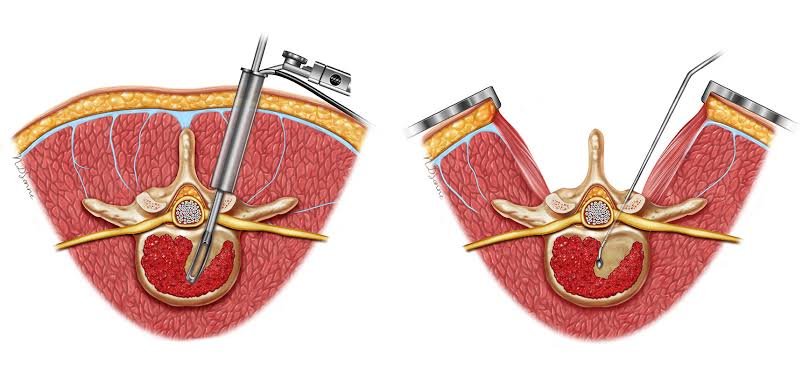
Both Open TLIF and MIS TLIF aim to relieve nerve compression and stabilize the spine through fusion. The key difference lies in how the surgery is performed and how the body recovers.
| Feature | Open TLIF | MIS TLIF |
| Incision Size | Large midline incision | Small incision (2–3 cm) |
| Muscle Handling | Significant muscle retraction | Muscle-sparing tubular approach |
| Blood Loss | Moderate to high | Low |
| Post-operative Pain | More | Less |
| Hospital Stay | 3–5 days | 1–3 days |
| Recovery Time | Longer | Faster |
| Return to Daily Activities | Delayed | Earlier |
| Spinal Stability & Fusion | Excellent | Excellent |
| Ideal For | Complex deformity, severe instability, revision surgery | Degenerative conditions, spondylolisthesis, selected instability |
| Cosmesis (Scar) | Larger scar | Minimal scarring |
Conditions Treated with MIS TLIF
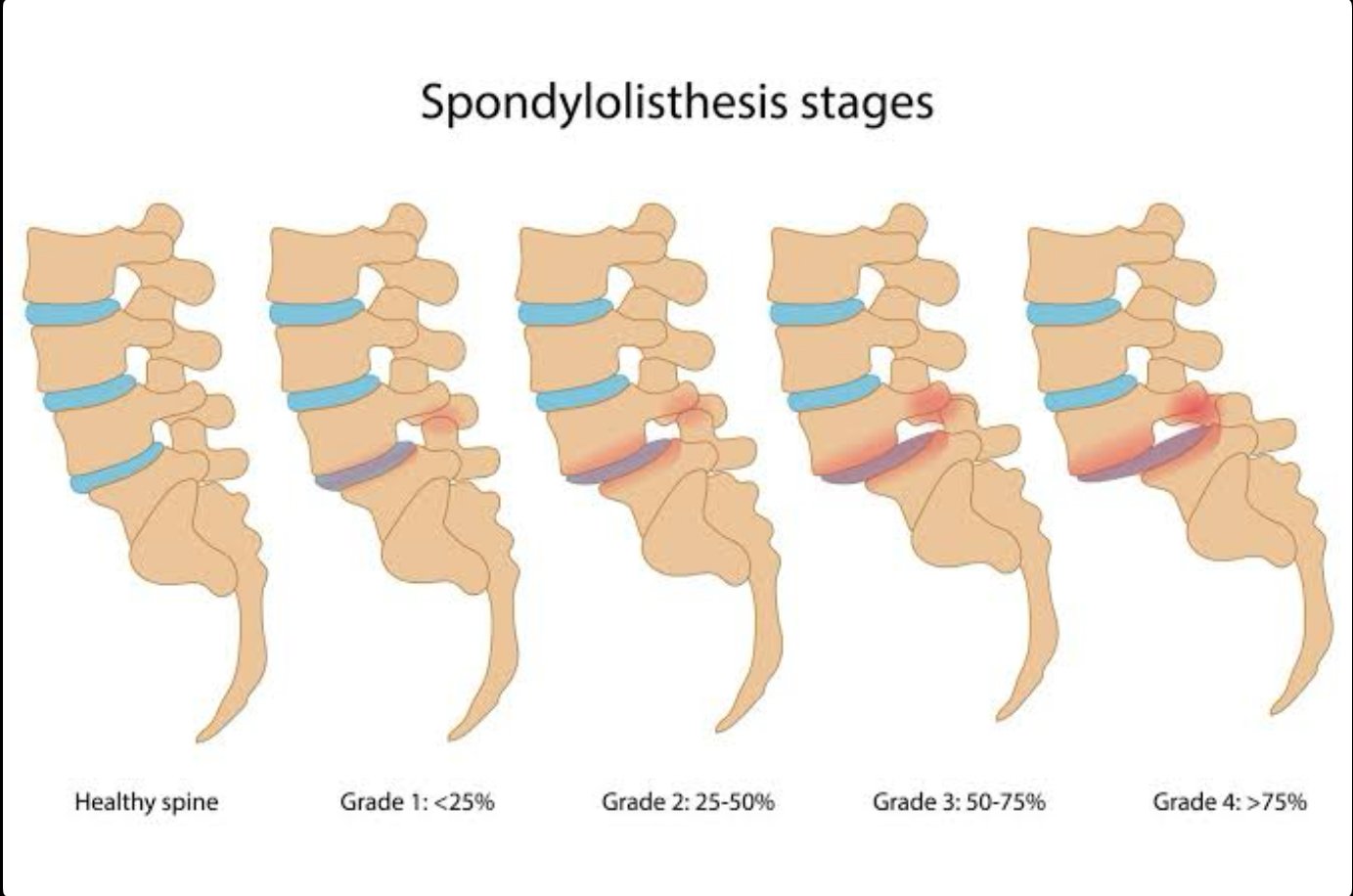
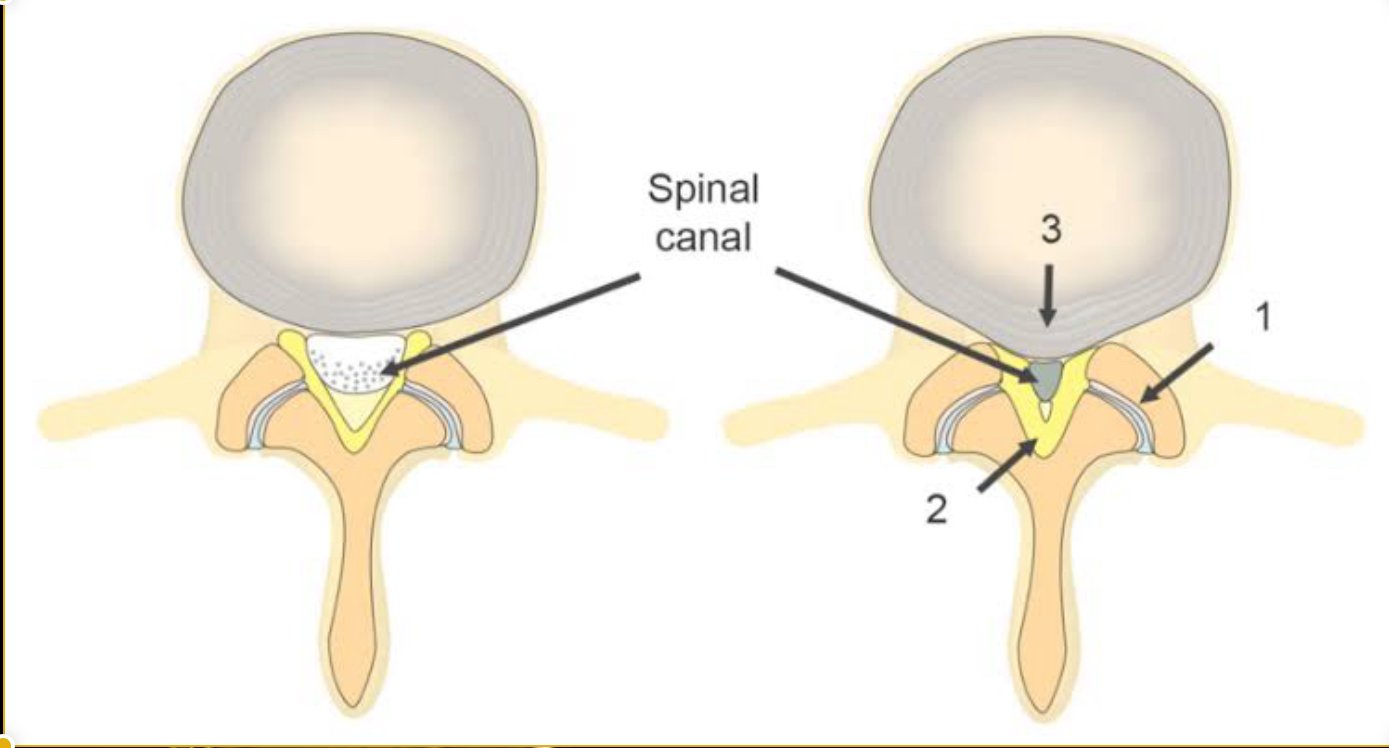
- Lumbar spondylolisthesis
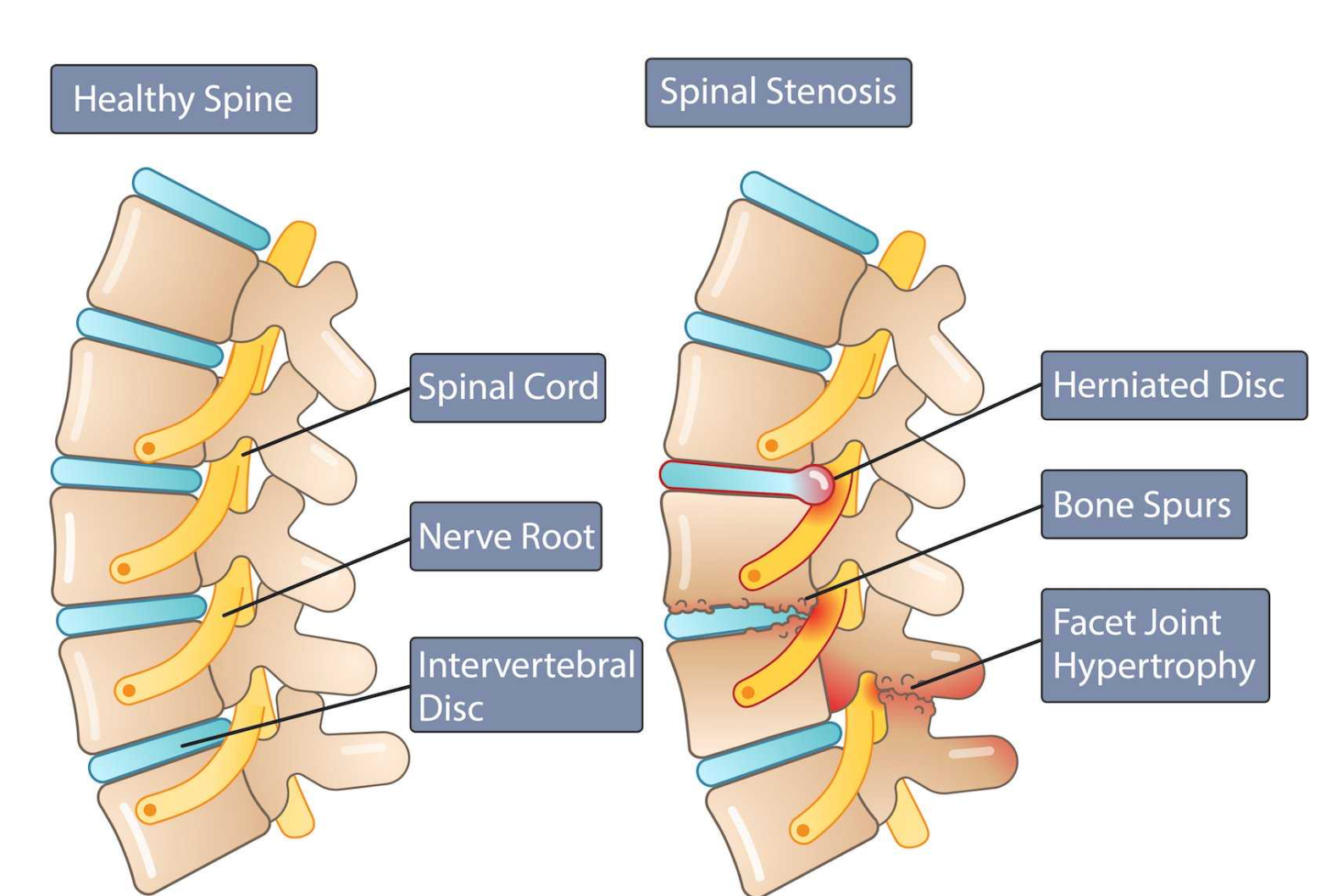
- Degenerative disc disease
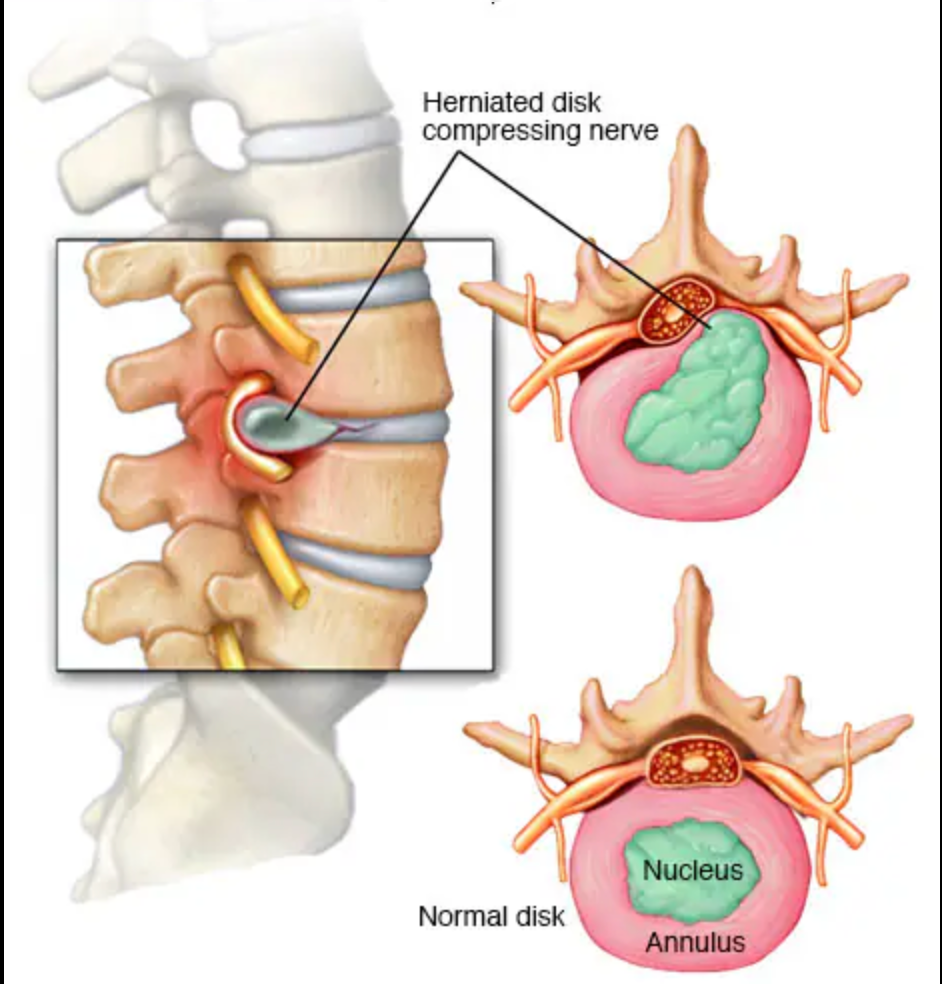
- Recurrent disc herniation
- Lumbar canal stenosis with instability
- Facet joint arthritis
- Failed previous lumbar surgery (selected cases)
Our Philosophy at Niramaya Spine Care
At Niramaya Spine Care, we emphasize:
- Accurate identification of pain generators
- Preference for minimally invasive and endoscopic solutions
- Evidence-based spine stabilization
- Ethical, patient-centric surgical decision making
Before the Procedure
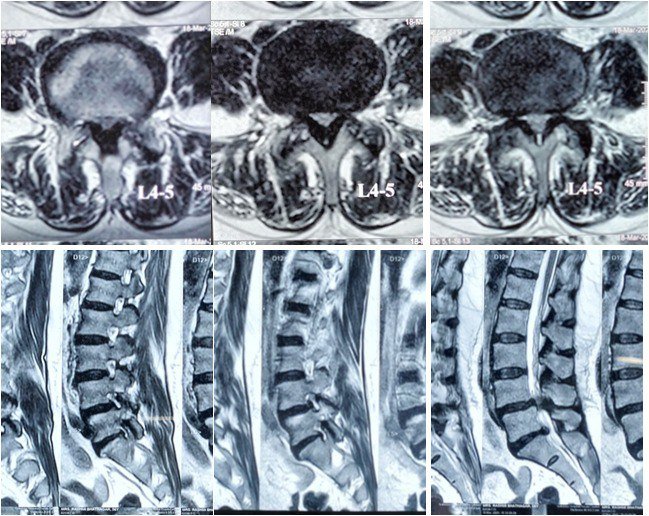
Before MIS TLIF, patients undergo a comprehensive evaluation including:
- Detailed clinical examination
- MRI / CT scan of the lumbar spine
- X-rays (including dynamic views)
- Blood tests and anesthetic assessment
Patients may be advised to:
- Stop blood-thinning medications
- Maintain fasting before surgery
- Begin pre-surgical physiotherapy if required
How is MIS TLIF Performed?
- Surgery is done under general anesthesia
- A small skin incision (2–3 cm) is made
- Tubular retractors gently separate muscles (no cutting)
- Nerve compression is relieved
- The damaged disc is removed
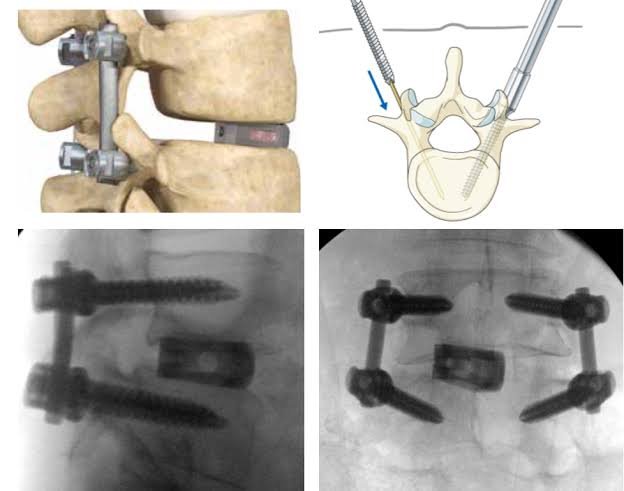
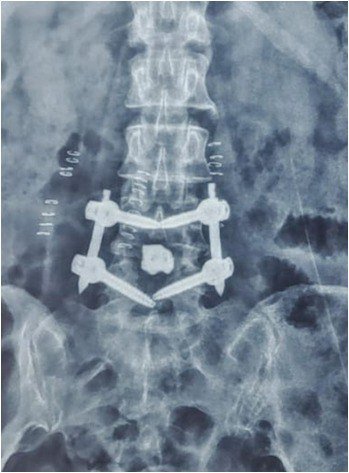
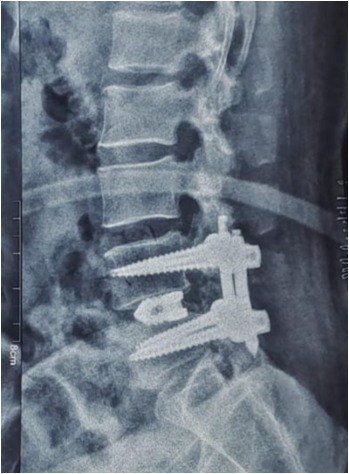
- Bone graft and cage are placed between vertebrae
- Pedicle screws and rods stabilize the spine
- Incision is closed with minimal tissue trauma
After the Procedure
- Patients are mobilized within 24 hours
- Hospital stay is usually 1–3 days
- Pain is significantly less compared to open fusion
- Physiotherapy starts early
- Return to daily activities occurs within 3–6 weeks
- Fusion progresses over several months
Benefits of MIS TLIF
- Smaller incision and minimal muscle damage
- Reduced blood loss
- Less postoperative pain
- Faster recovery and mobilization
- Shorter hospital stay
- Strong and durable spinal fusion
Possible Risks (Uncommon)
- Infection
- Bleeding
- Nerve irritation
- Implant-related issues
- Delayed fusion (non-union)
Your surgeon will discuss individual risks and benefits based on your condition.