A Proven Surgical Solution for Cervical Disc and Nerve Compression
Anterior Cervical Discectomy and Fusion (ACDF) is a well-established spine surgery performed to relieve neck pain, arm pain, numbness, weakness, and spinal cord compression caused by cervical disc and degenerative spine conditions.
The procedure approaches the spine from the front of the neck, allowing safe and direct access to the affected disc with minimal muscle disruption.
Why ACDF Is Performed
ACDF is recommended when non-surgical treatments fail to provide relief or when there is progressive neurological deficit.
Common Indications
- Cervical disc herniation
- Cervical spondylosis (degenerative disc disease)
- Cervical radiculopathy (arm pain, tingling, weakness)
- Cervical myelopathy (spinal cord compression)
- Foraminal stenosis
- Traumatic disc injury
- Selected cases of cervical instability
Key Advantages of ACDF
- Direct and safe access to cervical spine
- Effective relief of arm pain and neurological symptoms
- High success rate for nerve decompression
- Restores spinal alignment and stability
- Predictable long-term outcomes
Before the Procedure (ACDF)
Before undergoing Anterior Cervical Discectomy and Fusion, a thorough evaluation is performed to ensure the procedure is safe and appropriate for you.
Pre-procedure steps include:
- Clinical assessment: Detailed neurological examination focusing on arm pain, weakness, numbness, and gait.
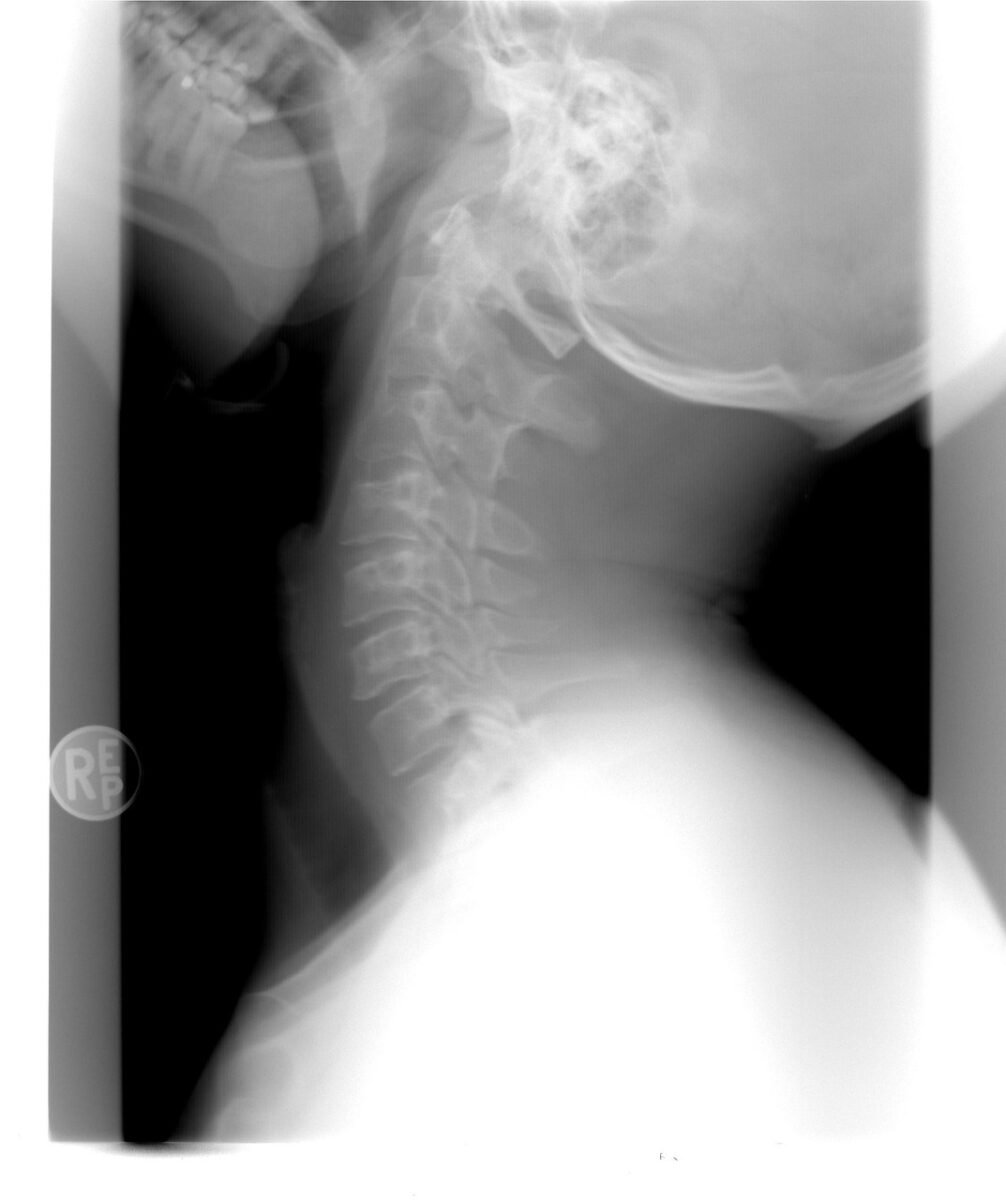
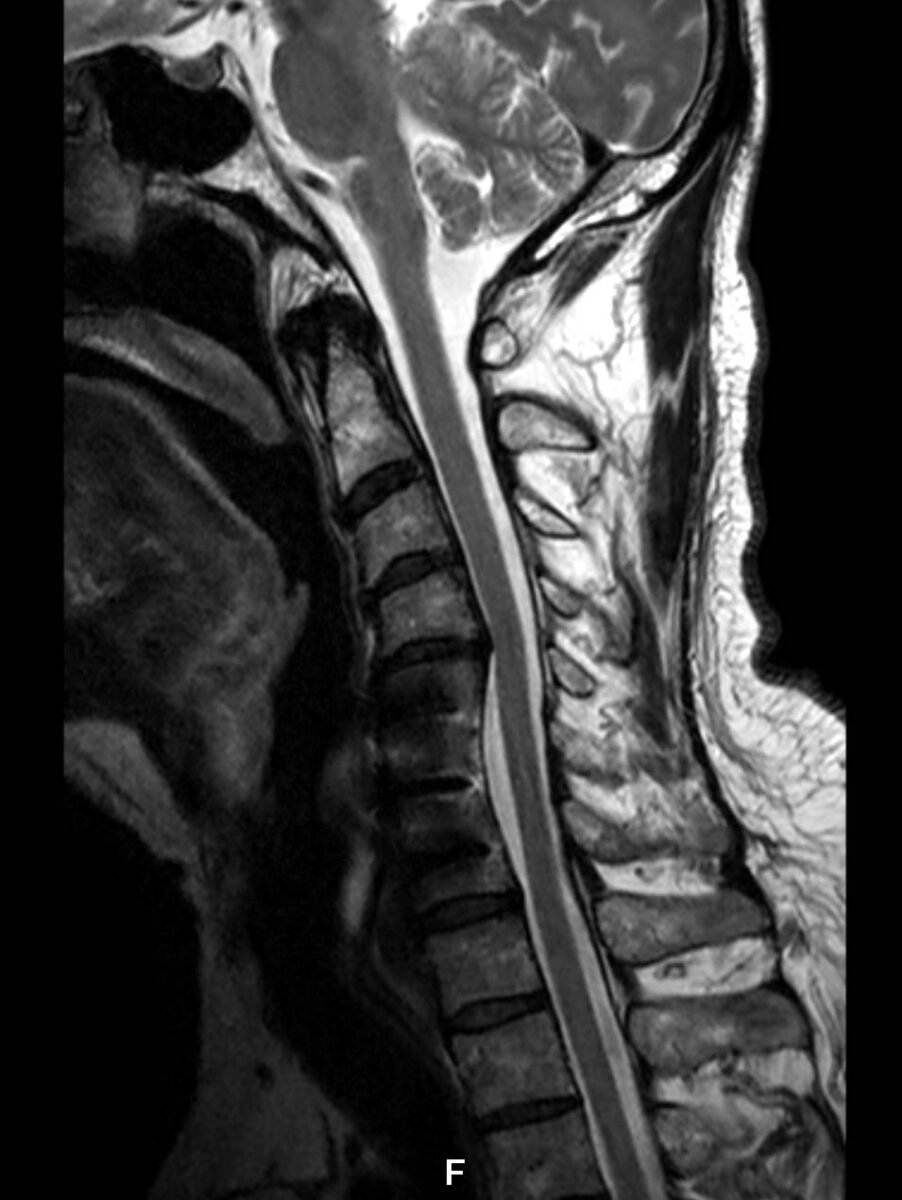
- Imaging studies: MRI of the cervical spine (and CT/X-ray if required) to confirm disc herniation, stenosis, or instability.
- Medical fitness: Blood tests, ECG, and physician clearance if you have conditions like diabetes, hypertension, or heart disease.
- Medication review: Blood thinners and certain medications may need to be stopped prior to surgery.
- Patient counseling: Explanation of the procedure, expected outcomes, risks, and recovery timeline.
- Fasting instructions: Usually no food or drink 6–8 hours before surgery.
Patients are advised to stop smoking before surgery, as it can affect bone healing and fusion success.

Understanding the Procedure
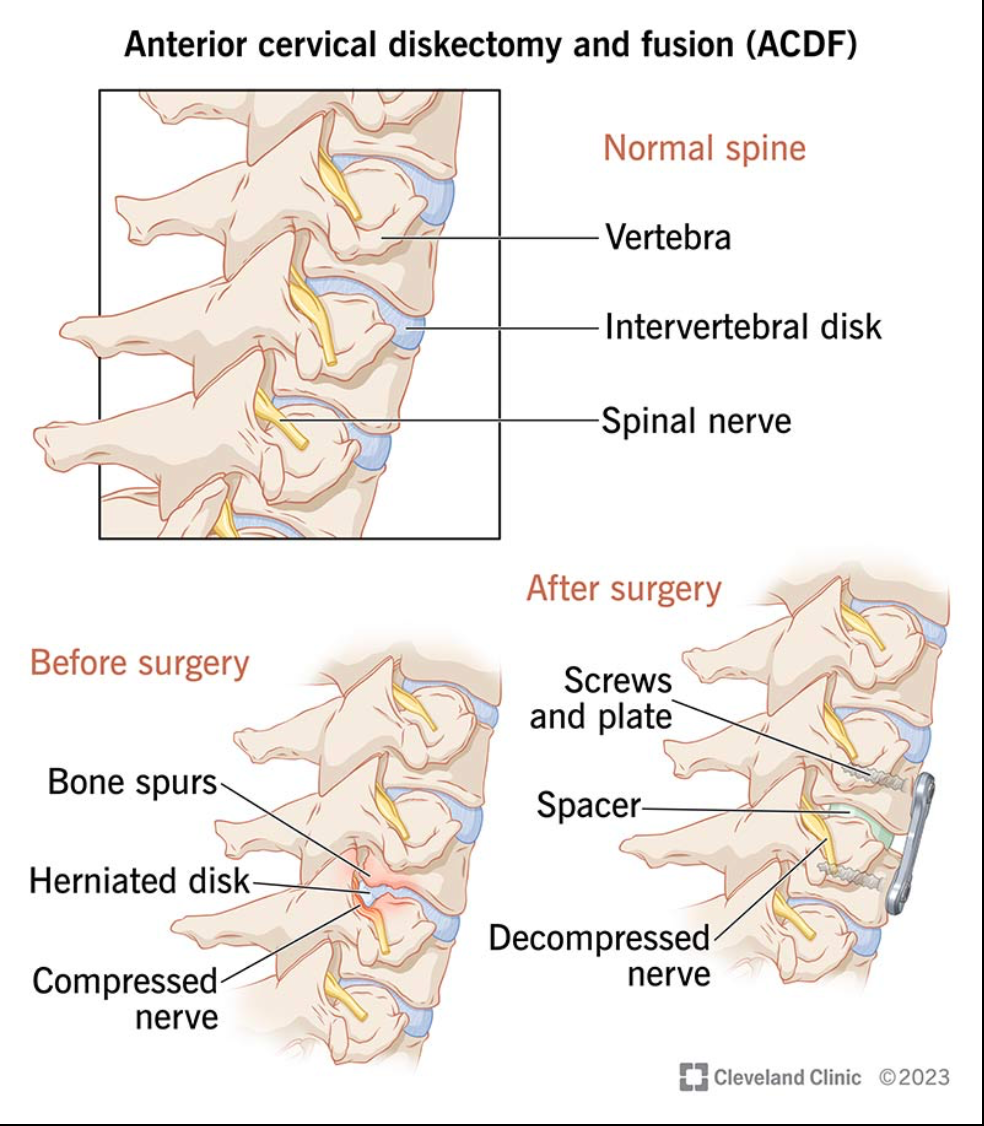
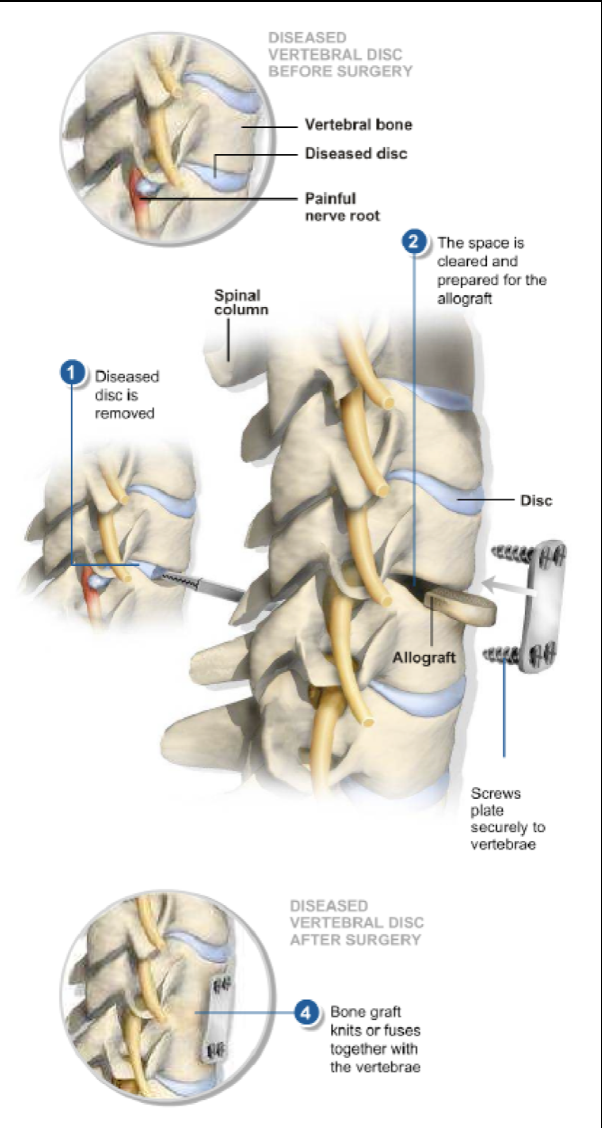
ACDF involves two essential steps:
1️⃣ Discectomy (Disc Removal)
- The damaged disc is removed completely
- Pressure on the spinal cord and nerve roots is relieved
- Bone spurs or thickened ligaments may also be removed
2️⃣ Fusion (Stabilization)
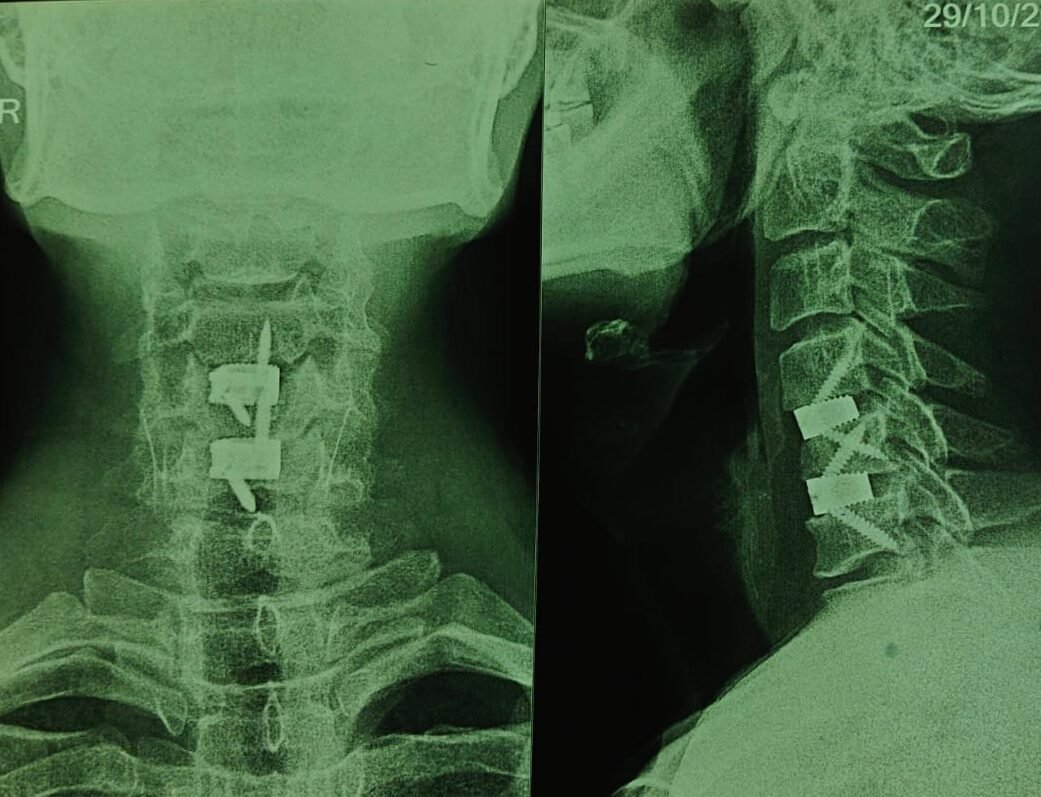
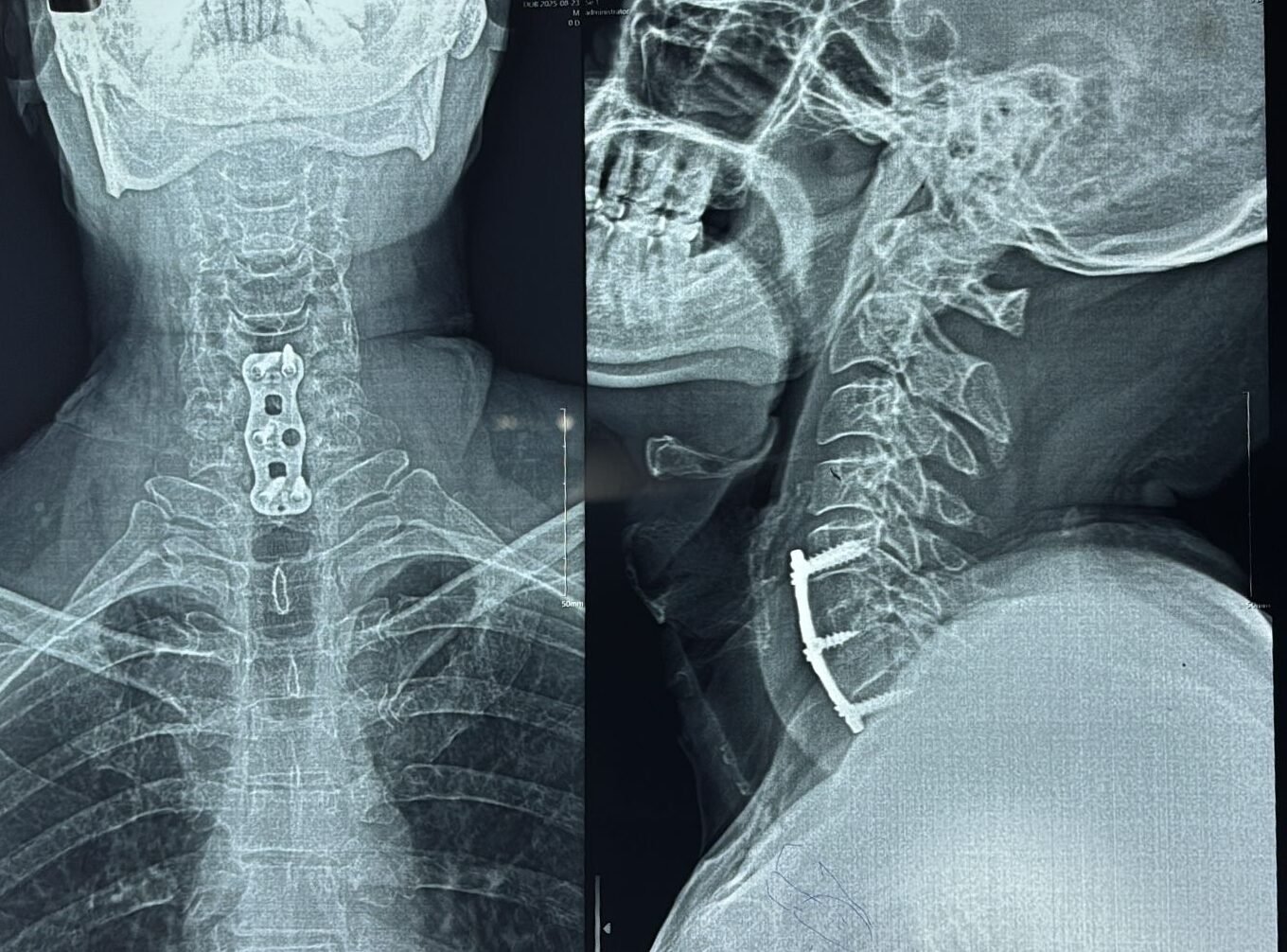
- A spacer (bone graft or cage) is placed in the disc space
- The vertebrae are stabilized using a plate and screws
- Over time, the bones fuse into a single solid unit
Key Advantages of ACDF
- Direct and safe access to cervical spine
- Effective relief of arm pain and neurological symptoms
- High success rate for nerve decompression
- Restores spinal alignment and stability
- Predictable long-term outcomes
After the Procedure (ACDF)
Following ACDF, patients typically experience rapid relief from arm pain and gradual improvement in neurological symptoms.
Immediate post-procedure care:
- Hospital stay: Usually 1–2 days depending on recovery.
- Pain control: Mild throat discomfort and neck pain are common and managed with medications.
- Neck support: A cervical collar may be advised for a short period to support healing.
- Early mobilization: Patients are encouraged to walk on the same or next day.
Recovery and rehabilitation:
- Activity modification: Avoid heavy lifting, sudden neck movements, and strenuous activity for a few weeks.
- Physiotherapy: Gentle neck exercises and posture correction are started as advised.
- Return to work: Light desk work may resume in 2–4 weeks; physically demanding jobs may take longer.
- Fusion monitoring: Follow-up X-rays are done to assess bone healing and implant position.
Long-term outcome:
Most patients experience significant pain relief, improved function, and a stable cervical spine with successful fusion over time.
What Symptoms Improve After ACDF?
- Arm pain and radiating pain
- Numbness and tingling
- Muscle weakness
- Neck pain (in most patients)
- Balance and coordination issues (in myelopathy cases)