About
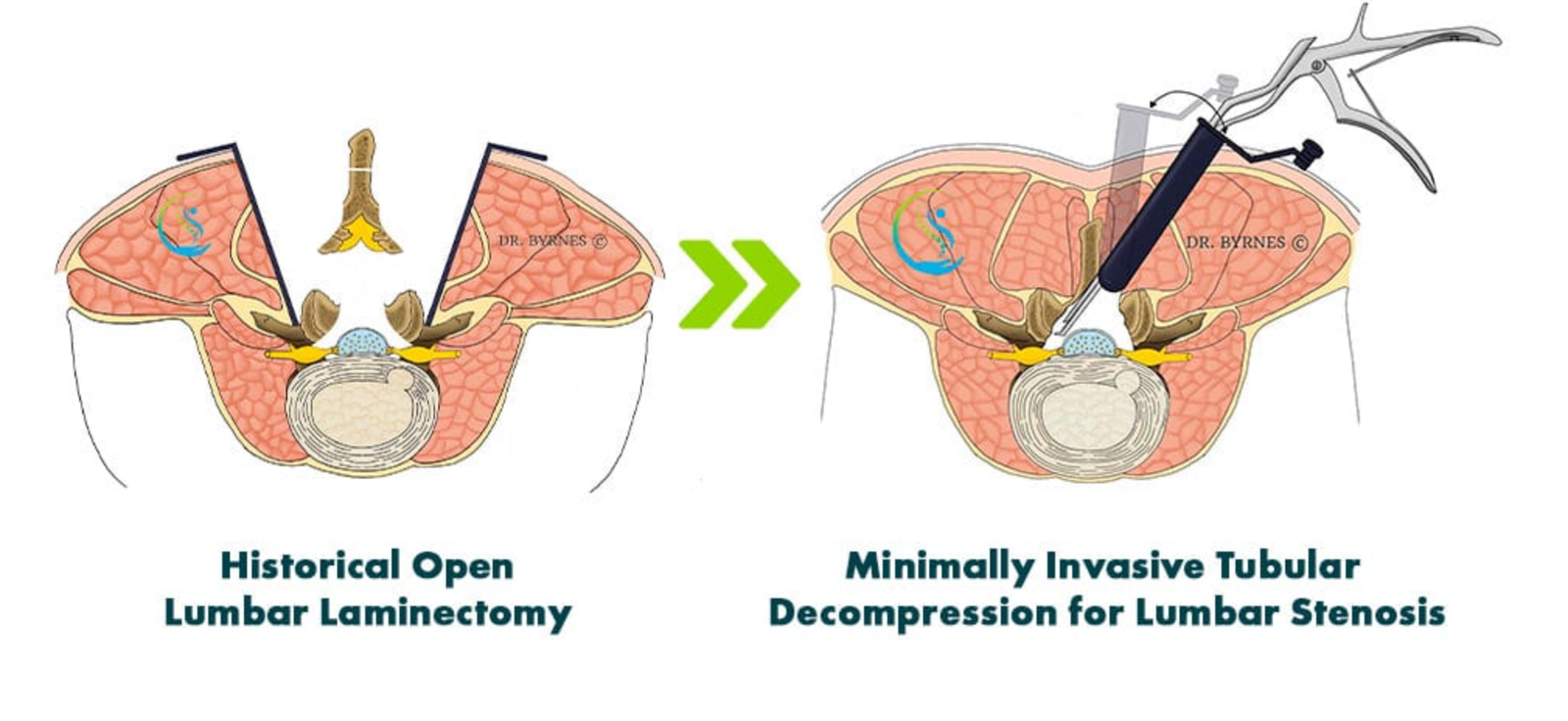
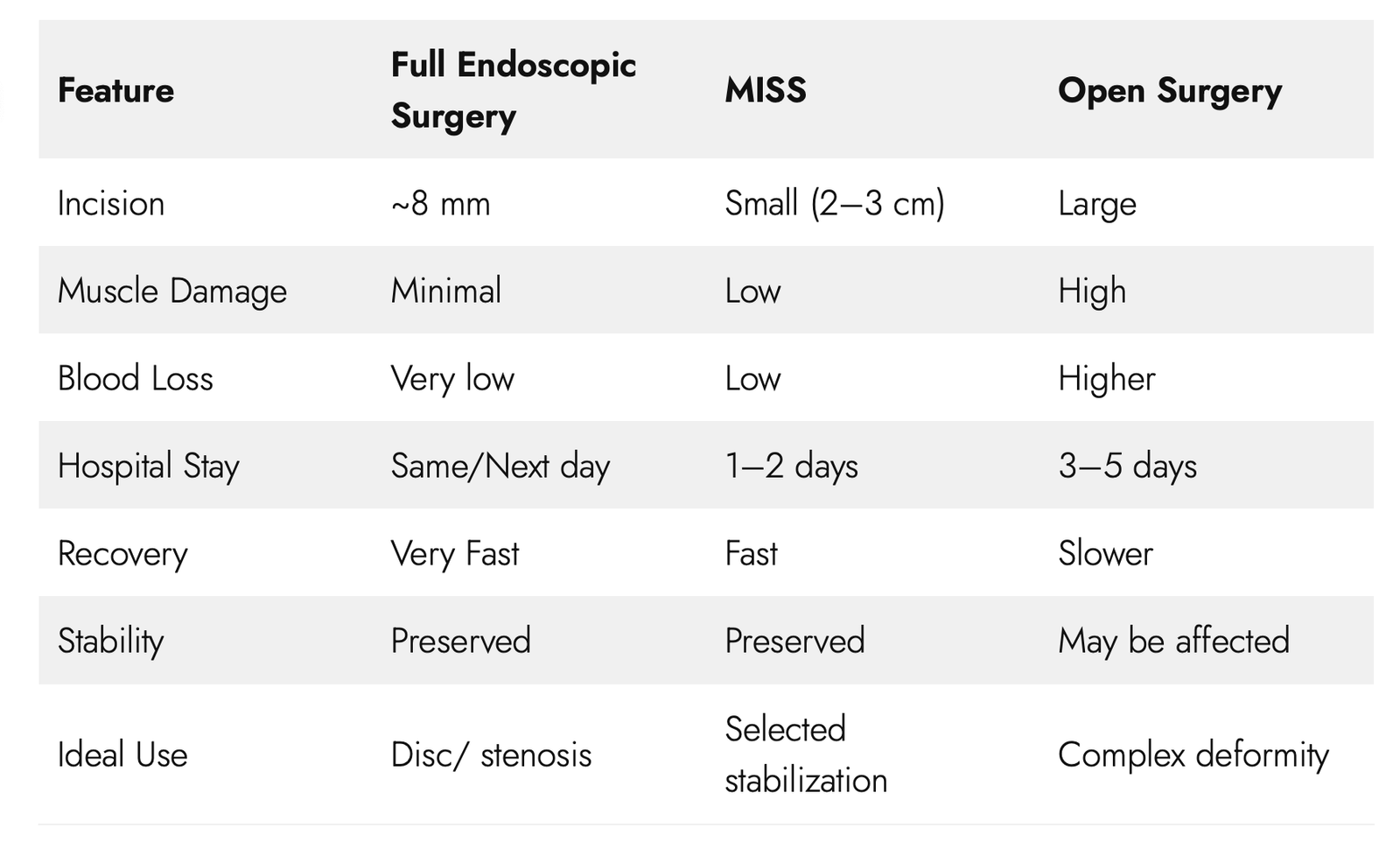
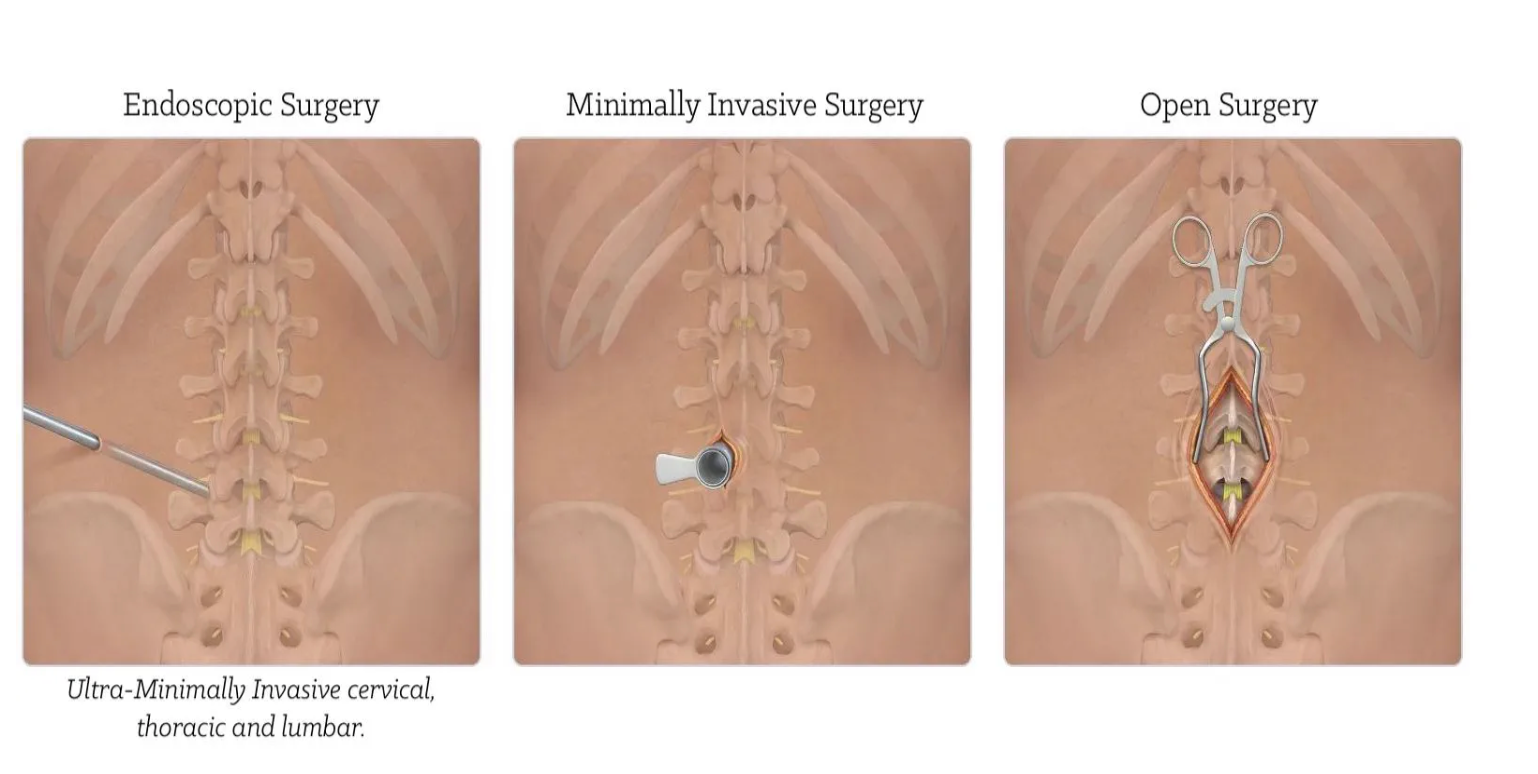
Full Endoscopic Spine Surgery represents the most advanced form of minimally invasive spine care. Using a high-definition endoscope through a tiny incision (≈8 mm), the surgeon treats the exact pain generator while preserving muscles, ligaments, and spinal stability.
Minimally Invasive Spine Surgery (MISS) complements this approach for conditions that need limited stabilization or decompression using small incisions and specialized instruments. Together, they offer a continuum of care—from the least invasive endoscopic solutions to focused MIS procedures—tailored to each patient.
Comparison at a Glance
Approaches in Full Endoscopic Spine Surgery
🔹 Interlaminar Endoscopic Approach (Read more)
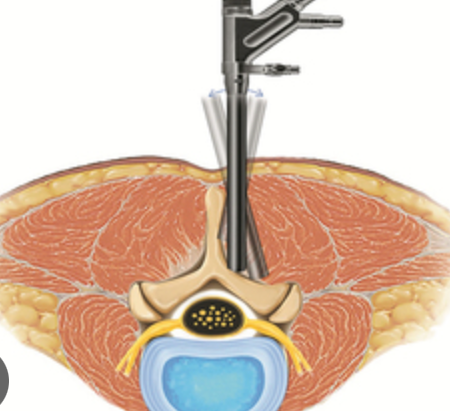
Best suited for central/paracentral disc herniations and lumbar canal stenosis.
Includes LE-ULBD (Lumbar Endoscopic Unilateral Laminotomy for Bilateral Decompression) to decompress both sides through a unilateral, tissue-preserving route.
🔹 Transforaminal Endoscopic Approach (Read more)
Ideal for foraminal, extraforaminal, lateral, and migrated disc herniations.
Accesses the disc via the natural foraminal window (Kambin’s triangle), often under local anesthesia with sedation.
Where MISS Fits In
When pathology requires limited stabilization or focused decompression beyond pure endoscopy, MISS is employed—still using small incisions and muscle-sparing techniques to minimize recovery time.
Choosing the Right Technique
At Niramaya Spine Care, the choice between full endoscopic surgery and MISS is individualized—based on anatomy, pathology, symptoms, and functional goals.
Principle: Least invasive first; surgery only when truly indicated.